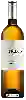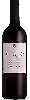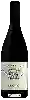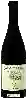
Winery BonfilsLa Clape
 Red wine
This wine generally goes well with beef, veal or pasta.

Food and wine pairings with La Clape
Pairings that work perfectly with La Clape



Original food and wine pairings with La Clape
The La Clape of Winery Bonfils matches generally quite well with dishes of beef, pasta or veal such as recipes of beef fashion, spaghetti cacio e pepe or veal paupiettes à la bourguignonne.
Details and technical informations about Winery Bonfils's La Clape.
Discover the grape variety: Mollard
Light, fruity reds with a clear ruby color, supple tannins and an airy palate, offering delicate aromas of red fruits (raspberry, cherry, strawberry), alpine spices, mountain herbs and floral notes. A high-altitude airy profile. Very rare variety, preserved by a few artisan winemakers for its heritage value, in confidential altitude cuvées. Grown in IGP Hautes-Alpes around Embrun. French indigenous variety from the Hautes-Alpes, an alpine signature.
Informations about the Winery Bonfils
The Winery Bonfils is one of of the world's great estates. It offers 25 wines for sale in the of La Clape to come and discover on site or to buy online.

The wine region of La Clape
AOC of maritime Languedoc on the eponymous massif near Narbonne (AOC 2015): Grenache, Mourvèdre and Syrah signatures in flagship reds (~80%) — deep with signature notes of black fruits, garrigue, balsamic spices. Historic Bourboulenc as flagship white (≥40%) — lively and mineral with signature notes of citrus, white flowers, saline and iodine finish. Grenache Blanc rounded (pear, peach). Sunny Mediterranean climate, limestone soils, signature maritime freshness.
The wine region of Languedoc-Roussillon
Largest single French vineyard, dominated by sunny, generous reds. Spicy Syrah, candied Grenache (ripe fruit, garrigue), structured Carignan, deep Mourvèdre, supple Cinsault. Stars: structured Corbières, Minervois, Faugères, Saint-Chinian; round Côtes-du-Roussillon. Legendary vins doux naturels: Banyuls and Maury (fortified Grenache) with notes of cocoa, fig, prune.
The word of the wine: Honest
A simple and pleasant wine, without any great quality and without any defects.