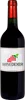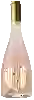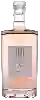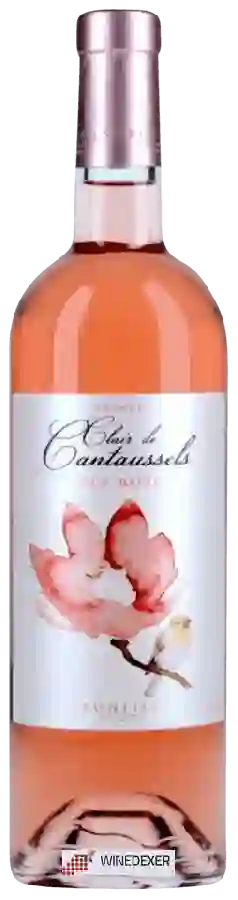
Winery BonfilsClair de Cantaussels Rosé
 Pink wine



In the mouth this pink wine is a with a nice freshness.
This wine generally goes well with vegetarian, appetizers and snacks or lean fish.

Taste structure of the Clair de Cantaussels Rosé from the Winery Bonfils
Light | Bold | |
Dry | Sweet | |
Soft | Acidic |
In the mouth the Clair de Cantaussels Rosé of Winery Bonfils in the region of Languedoc-Roussillon is a with a nice freshness.
Food and wine pairings with Clair de Cantaussels Rosé
Pairings that work perfectly with Clair de Cantaussels Rosé



Original food and wine pairings with Clair de Cantaussels Rosé


The Clair de Cantaussels Rosé of Winery Bonfils matches generally quite well with dishes of pasta, vegetarian or appetizers and snacks such as recipes of pasta with eggplant, tuna, pepper and tomato quiche or bacon-gruyere-tomato cake.
Details and technical informations about Winery Bonfils's Clair de Cantaussels Rosé.
Discover the grape variety: Hölder
Aromatic, lively whites to drink young, with a pale golden colour, an airy palate with preserved acidity, and signature aromas of citrus (lemon), white flowers, green apple and mineral notes close to Riesling. Distinctive aromatic profile. Grown on a few hectares in Franconia, it remains confidential and is used for typical dry whites. A German white variety bred in 1936 in Würzburg (Riesling × Silvaner), late-ripening.
Last vintages of this wine
The best vintages of Clair de Cantaussels Rosé from Winery Bonfils are 2016
Informations about the Winery Bonfils
The Winery Bonfils is one of of the world's greatest estates. It offers 25 wines for sale in the of Languedoc-Roussillon to come and discover on site or to buy online.

The wine region of Languedoc-Roussillon
Largest single French vineyard, dominated by sunny, generous reds. Spicy Syrah, candied Grenache (ripe fruit, garrigue), structured Carignan, deep Mourvèdre, supple Cinsault. Stars: structured Corbières, Minervois, Faugères, Saint-Chinian; round Côtes-du-Roussillon. Legendary vins doux naturels: Banyuls and Maury (fortified Grenache) with notes of cocoa, fig, prune.
The word of the wine: Flow
Action consisting of draining the wine from a vat of red wine (free-run wine), the marc then being pressed to obtain the press wine.