The Caves Bolet of Penedès of Catalogne
The Caves Bolet is one of the best wineries to follow in Penedès.. It offers 24 wines for sale in of Penedès to come and discover on site or to buy online.

Looking for the best Caves Bolet wines in Penedès among all the wines in the region? Check out our tops of the best red, white or effervescent Caves Bolet wines. Also find some food and wine pairings that may be suitable with the wines from this area. Learn more about the region and the Caves Bolet wines with technical and enological descriptions.
How Caves Bolet wines pair with each other generally quite well with dishes of beef, pasta or veal such as recipes of millet with gruyere cheese, lasagna with courgettes and fresh goat cheese or pork tenderloin with mushroom sauce.
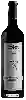
On the nose the red wine of Caves Bolet. often reveals types of flavors of oak, earth. In the mouth the red wine of Caves Bolet. is a powerful with a lot of tannins present in the mouth.
The wine region of Penedès is located in the region of Catalogne of Spain. Wineries and vineyards like the Domaine Parés Baltà or the Domaine Enric Soler produce mainly wines white, red and sparkling. The most planted grape varieties in the region of Penedès are Xarello, Cabernet-Sauvignon and Merlot, they are then used in wines in blends or as a single variety. On the nose of Penedès often reveals types of flavors of cherry, red cherry or bergamot and sometimes also flavors of chamomile, earl grey tea or eucalyptus.
In the mouth of Penedès is a powerful with a nice freshness. We currently count 328 estates and châteaux in the of Penedès, producing 1569 different wines in conventional, organic and biodynamic agriculture. The wines of Penedès go well with generally quite well with dishes of beef, pasta or veal.
How Caves Bolet wines pair with each other generally quite well with dishes of veal, pork or game (deer, venison) such as recipes of vitello alla genovese (roast veal with sponge cake), country-style snow peas or duck fillets with honey.
The white Parellada is a grape variety that originated in France (Spain). It produces a variety of grape specially used for the elaboration of wine. It is rare to find this grape to eat on our tables. This variety of grape is characterized by large bunches of grapes of medium size. The white Parellada can be found cultivated in these vineyards: Languedoc & Roussillon, South West.
How Caves Bolet wines pair with each other generally quite well with dishes of rich fish (salmon, tuna etc), spicy food or sweet desserts such as recipes of cod and potato gratin, caramel pork or chantilly cream.
Any wine loaded with CO2 (carbon dioxide), which is revealed in the form of bubbles, reinforcing the freshness effect in the mouth. This gas production is the result of what is called the second fermentation in the bottle. It occurs in champagnes and sparkling wines such as crémants.
How Caves Bolet wines pair with each other generally quite well with dishes of shellfish, appetizers and snacks or lean fish such as recipes of chicken with scampi for christmas, aperitif puff pastries (cheese matches, puff pastries with... or thai chicken with cashew nuts.
On the nose the sparkling wine of Caves Bolet. often reveals types of flavors of microbio, tree fruit or non oak and sometimes also flavors of oak, citrus fruit. In the mouth the sparkling wine of Caves Bolet. is a with a nice vivacity and a fine and pleasant bubble.
Planning a wine route in the of Penedès? Here are the wineries to visit and the winemakers to meet during your trip in search of wines similar to Caves Bolet.
White muscat is a white grape variety of Greek origin. Present in several Mediterranean vineyards, it has several synonyms such as muscat de Die, muscat blanc and frontignac. In France, it occupies a little less than 7,000 ha out of a total of 45,000 ha worldwide. Its young shoots are downy. Its youngest leaves are shiny, bronzed and scabrous. The berries and bunches of this variety are all medium-sized. The flesh of the berries is juicy, sweet and firm. Muscat à petits grains has a second ripening period and buds early in the year. It is moderately vigorous and must be pruned short. It likes poor, stony slopes. This variety is often exposed to spring frosts. It fears mildew, wasps, grape worms, court-noué, grey rot and powdery mildew. Muscat à petits grains is used to make rosé wines and dry white wines. Orange, brown sugar, barley sugar and raisins are the known aromas of these wines.