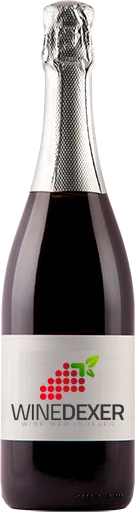
Winery Belle MeadeLady's Cuvée
 Sparkling wine


This wine generally goes well with fruity desserts, lean fish or shellfish.
The Lady's Cuvée of the Winery Belle Meade is in the top 40 of wines of Tennessee.

Wine flavors and olphactive analysis

On the nose the Lady's Cuvée of Winery Belle Meade in the region of Tennessee often reveals types of flavors of tree fruit, citrus fruit.
Food and wine pairings with Lady's Cuvée
Pairings that work perfectly with Lady's Cuvée


Original food and wine pairings with Lady's Cuvée
The Lady's Cuvée of Winery Belle Meade matches generally quite well with dishes of shellfish, lean fish or fruity desserts such as recipes of paella josé style, back of cod, beurre blanc with tarragon or the coughing cat's apple crumble.
Details and technical informations about Winery Belle Meade's Lady's Cuvée.
Discover the grape variety: Chenin blanc
Chameleon whites with taut acidity, ranging from mineral dry (Savennières, Vouvray sec) to off-dry and medium-sweet (Vouvray, Montlouis), sumptuous botrytised sweet (Quarts-de-Chaume, Bonnezeaux, Coteaux du Layon) and brilliant sparkling (Crémant de Loire, Vouvray brut). Aromas of quince, apple, honey, white flowers, beeswax and flint. An Anjou variety, also star of South Africa's Western Cape.
Last vintages of this wine
The best vintages of Lady's Cuvée from Winery Belle Meade are 0
Informations about the Winery Belle Meade
The Winery Belle Meade is one of of the world's greatest estates. It offers 16 wines for sale in the of Tennessee to come and discover on site or to buy online.

The wine region of Tennessee
Wine state of the American Southeast, humid subtropical climate forcing native resistant grapes. Muscadine signature king grape: fruity accessible wines with signature notes of fresh grape, tropical fruits, white flowers and musky touch — often sweet or off-dry in typical Southern style. Vidal Blanc fresh hybrid (pear, citrus), Chambourcin supple red (cherry, spices), more structured Norton (blackberry, earth). 2 AVAs including Nine Lakes (2026).
The word of the wine: Phenolic ripeness
A distinction is made between the ripeness of sugars and acids and the ripeness of tannins and other compounds such as anthocyanins and tannins, which will bring structure and colour. Grapes can be measured at 13° potential without having reached this phenolic maturity. Vinified at this stage, they will give hard, astringent wines, without charm.