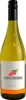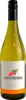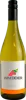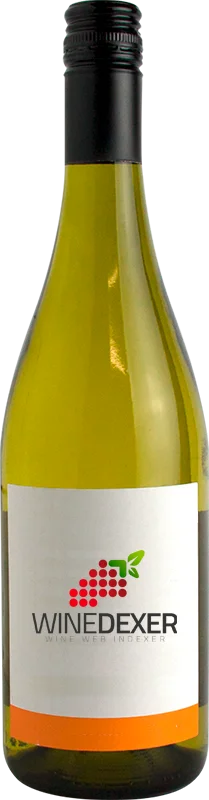
Winery Belle MeadeCarriage House White
 White wine



This wine generally goes well with
The Carriage House White of the Winery Belle Meade is in the top 40 of wines of Tennessee.
Wine flavors and olphactive analysis


On the nose the Carriage House White of Winery Belle Meade in the region of Tennessee often reveals types of flavors of microbio, tree fruit or citrus fruit.
Details and technical informations about Winery Belle Meade's Carriage House White.
Discover the grape variety: Gros Bourgogne
A very old grape variety that has been cultivated for a long time in Italy and Switzerland (cantons of Valais and Vaud), and is now clearly on the way out. In these countries, it still exists in the vineyards in the form of isolated strains... in France, it is completely unknown and yet it bears the name of a French wine region. According to A.D.N. analyses (J.F. Vouillamoz), its parents include white gouais, furmint, harslevelu, savagnin blanc, sylvaner, etc.
Last vintages of this wine
The best vintages of Carriage House White from Winery Belle Meade are 2018, 0
Informations about the Winery Belle Meade
The Winery Belle Meade is one of of the world's greatest estates. It offers 16 wines for sale in the of Tennessee to come and discover on site or to buy online.

The wine region of Tennessee
Tennessee is a state located in the south-central United States, between the Mississippi River and the Appalachian mountain range. The state has a fairly Long history of winemaking, which began with European settlers in the 1800s and peaked at the turn of the century, but its wine industry is overshadowed by its whiskey production. The state is the home of Tennessee whiskey, a regional style of Bourbon that requires charcoal filtering, a common practice not required for other American whiskies. It was the abundance of oak trees for barrels that initiated the state's thriving whiskey industry.
The word of the wine: Maceration
Prolonged contact and exchange between the juice and the grape solids, especially the skin. Not to be confused with the time of fermentation, which follows maceration. The juice becomes loaded with colouring matter and tannins, and acquires aromas. For a rosé, the maceration is short so that the colour does not "rise" too much. For white wines too, a "pellicular maceration" can be practised, which allows the wine to acquire more fat.