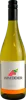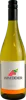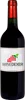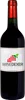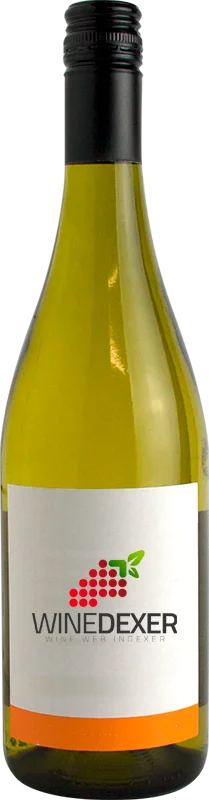
Winery Basils FarmSauvignon Blanc
 White wine
In the mouth this white wine is a with a nice freshness.
This wine generally goes well with vegetarian, shellfish or goat cheese.

Taste structure of the Sauvignon Blanc from the Winery Basils Farm
Light | Bold | |
Dry | Sweet | |
Soft | Acidic |
In the mouth the Sauvignon Blanc of Winery Basils Farm in the region of Victoria is a with a nice freshness.
Food and wine pairings with Sauvignon Blanc
Pairings that work perfectly with Sauvignon Blanc


Original food and wine pairings with Sauvignon Blanc
The Sauvignon Blanc of Winery Basils Farm matches generally quite well with dishes of shellfish, vegetarian or goat cheese such as recipes of festive sea pot, quiche with leeks and fresh salmon from flo or the trapper's gourmet plate.
Details and technical informations about Winery Basils Farm's Sauvignon Blanc.
Discover the grape variety: País
Light reds with a pale ruby robe, soft, understated tannins, and an airy palate, offering signature aromas of red fruits (cherry, strawberry, plum), soft spices, and floral notes. Rustic, accessible profile. Enjoying a revival with artisan winemakers in Maule and Itata for heritage and natural cuvées. A historic Chilean black variety descended from grapes brought by Spanish missionaries in the 16th century.
Informations about the Winery Basils Farm
The Winery Basils Farm is one of of the world's greatest estates. It offers 11 wines for sale in the of Victoria to come and discover on site or to buy online.

The wine region of Victoria
Australian diversity from cool to temperate climate. Yarra Valley and Mornington: fine, silky Pinot Noir (cherry, raspberry, undergrowth), taut, mineral Chardonnay. Heathcote: structured Shiraz with black fruits, pepper and chocolate. Rutherglen, fortified capital: opulent sweet Topaque and Muscat (raisin, caramel, fig, roast notes).
The word of the wine: Burned
Qualifier, sometimes equivocal, of various odors, ranging from caramel to burnt wood.