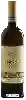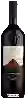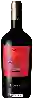
Winery VignaltaOde Rosso
 Red wine


This wine is a blend of 2 varietals which are the Cabernet-Sauvignon and the Merlot.
In the mouth this red wine is a powerful.
This wine generally goes well with beef, game (deer, venison) or lamb.

Taste structure of the Ode Rosso from the Winery Vignalta
Light | Bold | |
Smooth | Tannic | |
Dry | Sweet | |
Soft | Acidic |
In the mouth the Ode Rosso of Winery Vignalta in the region of Veneto is a powerful.
Food and wine pairings with Ode Rosso
Pairings that work perfectly with Ode Rosso



Original food and wine pairings with Ode Rosso

The Ode Rosso of Winery Vignalta matches generally quite well with dishes of beef, pasta or lamb such as recipes of roast beef in a foie gras and chanterelle crust, generous flaky quiche or lamb stew.
Details and technical informations about Winery Vignalta's Ode Rosso.
Discover the grape variety: Cabernet-Sauvignon
Structured, tannic reds, deeply coloured, with aromas of blackcurrant, blackberry, cedar, tobacco and graphite, underpinned by firm acidity and fine ageing potential. Cornerstone of the great Médoc estates (Pauillac, Saint-Estèphe, Saint-Julien) and signature of Napa Valley, Coonawarra and Maipo. The world's most planted red variety, a natural cross of Cabernet Franc x Sauvignon Blanc born in Bordeaux.
Last vintages of this wine
The best vintages of Ode Rosso from Winery Vignalta are 2018, 0
Informations about the Winery Vignalta
The Winery Vignalta is one of of the world's great estates. It offers 38 wines for sale in the of Veneto to come and discover on site or to buy online.

The wine region of Veneto
World star of Prosecco: fresh, light Glera sparklers with notes of pear, green apple and white flowers, fruity, convivial bubbles. Veronese reds from Corvina and Rondinella: light, crisp Bardolino, fruity Valpolicella, opulent, concentrated Amarone DOCG (black cherry, chocolate, raisin) from dried grapes. Mineral, almondy Soave (Garganega) whites, fresh Pinot Grigio. 97,500 ha, Italy's largest production.
The word of the wine: Wiring
Action of periodically filling barrels containing wine, in order to offset evaporation and maintain a maximum level. The topping up allows to avoid the phenomenon of oxidation.