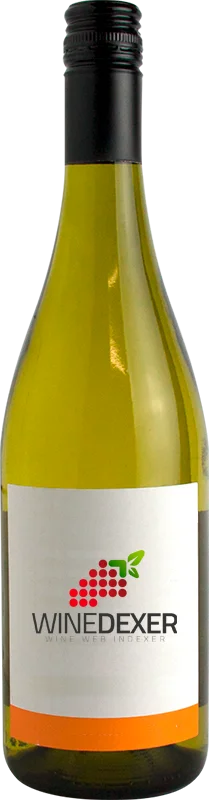
Winery AugustaliCatarratto
 White wine



In the mouth this white wine is a powerful.
This wine generally goes well with vegetarian, appetizers and snacks or shellfish.

Taste structure of the Catarratto from the Winery Augustali
Light | Bold | |
Dry | Sweet | |
Soft | Acidic |
In the mouth the Catarratto of Winery Augustali in the region of Sicily is a powerful.
Food and wine pairings with Catarratto
Pairings that work perfectly with Catarratto



Original food and wine pairings with Catarratto
The Catarratto of Winery Augustali matches generally quite well with dishes of shellfish, vegetarian or appetizers and snacks such as recipes of spaghetti with clams, zucchini quiche or seed crackers.
Details and technical informations about Winery Augustali's Catarratto.
Discover the grape variety: Louise Swenson
Fresh, fruity whites to drink young, with a pale golden robe, an airy palate with preserved acidity on pear, apple, white flowers and delicate aromas. Elegant profile for a hybrid. Grown in the cold regions of North America and Canada (Minnesota, Québec, Vermont), resists extreme continental viticultural climates. American white hybrid obtained in 1990 by Elmer Swenson in Minnesota.
Last vintages of this wine
The best vintages of Catarratto from Winery Augustali are 0
Informations about the Winery Augustali
The Winery Augustali is one of of the world's greatest estates. It offers 8 wines for sale in the of Sicily to come and discover on site or to buy online.

The wine region of Sicily
Major qualitative renewal. Sunny, expressive reds: fleshy, spicy Nero d'Avola (black cherry, blackberry, liquorice), fine, mineral Nerello Mascalese on Etna (recalls Pinot Noir), light, crisp Frappato in Cerasuolo di Vittoria DOCG. Lively, saline whites: Catarratto, fat, iodised Grillo, taut Carricante, floral Inzolia. Amber, walnutty fortified Marsala.
The word of the wine: Vent (taste of)
A defect that characterizes a wine exposed to the air, and which has lost its aromatic qualities.