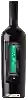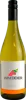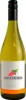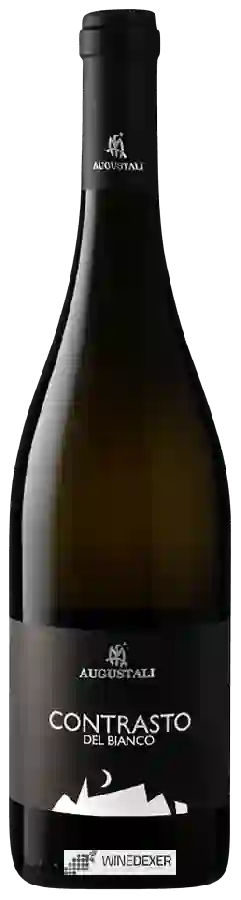
Winery AugustaliContrasto del Bianco
 White wine


In the mouth this white wine is a powerful.
This wine generally goes well with vegetarian, appetizers and snacks or shellfish.

Taste structure of the Contrasto del Bianco from the Winery Augustali
Light | Bold | |
Dry | Sweet | |
Soft | Acidic |
In the mouth the Contrasto del Bianco of Winery Augustali in the region of Sicily is a powerful.
Food and wine pairings with Contrasto del Bianco
Pairings that work perfectly with Contrasto del Bianco



Original food and wine pairings with Contrasto del Bianco
The Contrasto del Bianco of Winery Augustali matches generally quite well with dishes of shellfish, vegetarian or appetizers and snacks such as recipes of lobster in court-bouillon, quiche with bacon and gruyère cheese or small croissants with smoked salmon (toast).
Details and technical informations about Winery Augustali's Contrasto del Bianco.
Discover the grape variety: Vermentino
Nervy, saline whites with cutting acidity and enveloping richness, showing aromas of grapefruit, lime, pear, white flowers, fresh almond, fennel and marine iodine notes. Slightly bitter finish. Star of Sardinia (Vermentino di Gallura DOCG), Liguria, coastal Tuscany (Bolgheri) and Corsica. Also in Provence and Languedoc-Roussillon as Rolle. An autochthonous Mediterranean variety.
Last vintages of this wine
The best vintages of Contrasto del Bianco from Winery Augustali are 2013, 2012, 0
Informations about the Winery Augustali
The Winery Augustali is one of of the world's greatest estates. It offers 8 wines for sale in the of Sicily to come and discover on site or to buy online.

The wine region of Sicily
Major qualitative renewal. Sunny, expressive reds: fleshy, spicy Nero d'Avola (black cherry, blackberry, liquorice), fine, mineral Nerello Mascalese on Etna (recalls Pinot Noir), light, crisp Frappato in Cerasuolo di Vittoria DOCG. Lively, saline whites: Catarratto, fat, iodised Grillo, taut Carricante, floral Inzolia. Amber, walnutty fortified Marsala.
The word of the wine: Yeast
Micro-organisms at the base of all fermentative processes. A wide variety of yeasts live and thrive naturally in the vineyard, provided that treatments do not destroy them. Unfortunately, their replacement by laboratory-selected yeasts is often the order of the day and contributes to the standardization of the wine. Yeasts are indeed involved in the development of certain aromas.