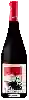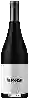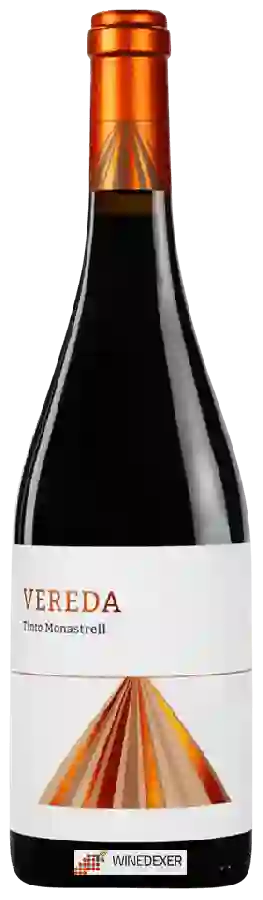
Winery El AngostoVereda Monastrell
 Red wine



In the mouth this red wine is a powerful with a nice balance between acidity and tannins.
This wine generally goes well with beef, game (deer, venison) or lamb.

Taste structure of the Vereda Monastrell from the Winery El Angosto
Light | Bold | |
Smooth | Tannic | |
Dry | Sweet | |
Soft | Acidic |
In the mouth the Vereda Monastrell of Winery El Angosto in the region of Valence is a powerful with a nice balance between acidity and tannins.
Wine flavors and olphactive analysis




On the nose the Vereda Monastrell of Winery El Angosto in the region of Valence often reveals types of flavors of non oak, earth or microbio and sometimes also flavors of oak, spices or red fruit.
Food and wine pairings with Vereda Monastrell
Pairings that work perfectly with Vereda Monastrell



Original food and wine pairings with Vereda Monastrell

The Vereda Monastrell of Winery El Angosto matches generally quite well with dishes of beef, pasta or lamb such as recipes of roast monkfish with bacon, cannelloni with salmon and spinach or lamb chops with spanish sauce.
Details and technical informations about Winery El Angosto's Vereda Monastrell.
Discover the grape variety: Valensi
Light, simply fruity reds with a pale ruby colour, soft tannins and a light palate with moderate acidity, featuring understated aromas of red fruits. Discreet Provençal profile. Nearly extinct, preserved in INRAE varietal collections for its heritage value; it bears witness to the pre-phylloxera ampelographic diversity of southern France and is among the patrimonial varieties under study. Rare French black variety, once grown in Provence.
Last vintages of this wine
The best vintages of Vereda Monastrell from Winery El Angosto are 2015, 2017, 0, 2016 and 2010.
Informations about the Winery El Angosto
The Winery El Angosto is one of of the world's greatest estates. It offers 21 wines for sale in the of Valence to come and discover on site or to buy online.

The wine region of Valence
Sunny Mediterranean Levant, sun-drenched accessible wines. Monastrell (Mourvèdre) star red in Alicante: fleshy and deep with black fruits, garrigue, leather and spice, firm tannins. Round, fruity Bobal from Utiel-Requena, supple Garnacha, juicy Tempranillo. Fresh whites: light Merseguera, aromatic Moscatel (fresh grape, flowers).
The word of the wine: Garrigue
Notes reminiscent of aromatic Mediterranean herbs such as thyme or rosemary, found in many southern wines.