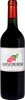
Winery AdyarMonastère de Kfifane Syrah
 Red wine


This wine generally goes well with beef, lamb or mature and hard cheese.
The Monastère de Kfifane Syrah of the Winery Adyar is in the top 20 of wines of Lebanon and in the top 10 of wines of Mount Lebanon.
Wine flavors and olphactive analysis



On the nose the Monastère de Kfifane Syrah of Winery Adyar in the region of Mount Lebanon often reveals types of flavors of earth, oak or red fruit and sometimes also flavors of black fruit.
Food and wine pairings with Monastère de Kfifane Syrah
Pairings that work perfectly with Monastère de Kfifane Syrah



Original food and wine pairings with Monastère de Kfifane Syrah

The Monastère de Kfifane Syrah of Winery Adyar matches generally quite well with dishes of beef, lamb or spicy food such as recipes of chickpeas spanish style, sauté of lamb or chicken colombo (west indies).
Details and technical informations about Winery Adyar's Monastère de Kfifane Syrah.
Discover the grape variety: Semidano
Cultivated for a very long time in Sardinia (Italy) where it occupied an important place before the phylloxera crisis... it is almost unknown in France.
Last vintages of this wine
The best vintages of Monastère de Kfifane Syrah from Winery Adyar are 2013, 2011, 0, 2012 and 2008.
Informations about the Winery Adyar
The Winery Adyar is one of of the world's greatest estates. It offers 15 wines for sale in the of Mount Lebanon to come and discover on site or to buy online.

The wine region of Mount Lebanon
Lebanon is a Middle Eastern country with an ancient wine culture that has experienced a renaissance in the past few decades. In 2011, roughly six million bottles of Lebanese wine were produced from 2000 hectares (5000 acres) of Vineyards. Modern Lebanese viniculture has moved away from the ancient Phoenician port cities and inland to the fertile Bekaa Valley. There are also a handful of vineyards near Jezzine, a few miles beyond the Southern end of the Bekaa, just inland of Sidon.
The word of the wine: Phylloxera
Aphid that came from America and ravaged European vineyards at the end of the 19th century. It lives on the roots of the vine, from which it pumps the sap. The only vines capable of resisting it had to be imported from the United States, and then grafted onto their root system the wood of traditional French grape varieties. Today, grafted vines are always planted.