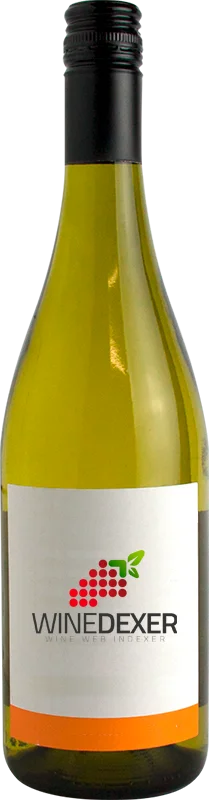
Winery Adega Vinicola d'ArugaRetiro de Catavento
 White wine



In the mouth this white wine is a .
This wine generally goes well with lean fish and shellfish.
Taste structure of the Retiro de Catavento from the Winery Adega Vinicola d'Aruga
Light | Bold | |
Dry | Sweet | |
Soft | Acidic |
In the mouth the Retiro de Catavento of Winery Adega Vinicola d'Aruga in the region of Yamanashi-ken is a .
Food and wine pairings with Retiro de Catavento
Pairings that work perfectly with Retiro de Catavento


Original food and wine pairings with Retiro de Catavento
The Retiro de Catavento of Winery Adega Vinicola d'Aruga matches generally quite well with dishes of shellfish or lean fish such as recipes of marinated mussels with parsley or haddock with milk.
Details and technical informations about Winery Adega Vinicola d'Aruga's Retiro de Catavento.
Discover the grape variety: Koshu
One of the oldest varieties cultivated in Japan, generally in arbors/pergolas, most often used as a table grape and recently vinified and associated with other varieties. It is a Vitis vinifera also known in Australia, New Zealand, Germany, the United States... practically unknown in France.
Last vintages of this wine
The best vintages of Retiro de Catavento from Winery Adega Vinicola d'Aruga are 0
Informations about the Winery Adega Vinicola d'Aruga
The Winery Adega Vinicola d'Aruga is one of of the world's great estates. It offers 31 wines for sale in the of Yamanashi-ken to come and discover on site or to buy online.

The wine region of Yamanashi-ken
Yamanashi is the first Japanese Geographical Indication (GI) for wine. Established in 2013, it is situated in the prefecture of the same name. Yamanashi is promoted as the birthplace of Japanese wine production. The most prominent Grape varieties grown here are the indigenous vitis vinefera white grape variety Koshu, and the Japanese-bred pale red Hybrid Muscat Bailey A.
The word of the wine: MA
Auxiliary brand or buyer's brand (supermarket for example) gathering champagnes of various origins. It offers no guarantee of quality or traceability.