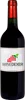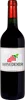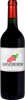
Winery Adega Cooperativa de PalmelaPalmelao Tinto
 Red wine


In the mouth this red wine is a powerful.
This wine generally goes well with poultry, beef or veal.
The Palmelao Tinto of the Winery Adega Cooperativa de Palmela is in the top 30 of wines of Palmela.
Taste structure of the Palmelao Tinto from the Winery Adega Cooperativa de Palmela
Light | Bold | |
Smooth | Tannic | |
Dry | Sweet | |
Soft | Acidic |
In the mouth the Palmelao Tinto of Winery Adega Cooperativa de Palmela in the region of Península de Setúbal is a powerful.
Food and wine pairings with Palmelao Tinto
Pairings that work perfectly with Palmelao Tinto



Original food and wine pairings with Palmelao Tinto

The Palmelao Tinto of Winery Adega Cooperativa de Palmela matches generally quite well with dishes of beef, pasta or veal such as recipes of kamounia : tunisian beef stew, my lasagna bolognese (without béchamel sauce) or tournedos rossini with port sauce.
Details and technical informations about Winery Adega Cooperativa de Palmela's Palmelao Tinto.
Discover the grape variety: Aglianico
A very old grape variety grown in Italy, some believe it to be of Greek origin. In France, it is practically unknown. It can be found in Australia, the United States (California), Argentina, etc. It should not be confused with Aglianicone, another grape variety grown in Italy, which is, however, very similar to Aglianico.
Last vintages of this wine

The best vintages of Palmelao Tinto from Winery Adega Cooperativa de Palmela are 2019, 2018, 2015, 2017 and 2016.
Informations about the Winery Adega Cooperativa de Palmela
The Winery Adega Cooperativa de Palmela is one of of the world's greatest estates. It offers 49 wines for sale in the of Palmela to come and discover on site or to buy online.

The wine region of Palmela
The wine region of Palmela is located in the region of Península de Setúbal of Portugal. Wineries and vineyards like the Domaine Casa Ermelinda Freitas or the Domaine Horácio Simões produce mainly wines red, white and pink. The most planted grape varieties in the region of Palmela are Touriga nacional, Cabernet-Sauvignon and Fernao Pires, they are then used in wines in blends or as a single variety. On the nose of Palmela often reveals types of flavors of citrus, mango or butter and sometimes also flavors of green apple, minerality or apricot.
The wine region of Península de Setúbal
Setúbal Peninsula (also known as Península de Setúbal) is the Portuguese wine region immediately southeast of Lisbon, across the Tejo estuary. The Terroir in the area ranges from sandy coastal plains to the craggy, limestone-rich Serra Arribida hills. The area is known for its Dry red wines made from Castelão, and for its fortified wines and Sweet Moscatel de Setúbal. The wines produced here are made under three titles: two DOCs, Palmela and Setúbal, and one IGP.
The word of the wine: Malolactic fermentation
Called second fermentation or malo for short. It is the degradation (under the effect of bacteria) of the malic acid naturally present in the wine into milder, less aggressive lactic acid. Some producers or wineries refuse this operation by "blocking the malo" (by cold and adding SO2) to keep a maximum of acidity which carries the aromas and accentuates the sensation of freshness.