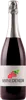
Winery AaronapTwo Valleys Malbec
 Red wine


This wine generally goes well with poultry, beef or mature and hard cheese.
The Two Valleys Malbec of the Winery Aaronap is in the top 10 of wines of Massachusetts.
Wine flavors and olphactive analysis

Food and wine pairings with Two Valleys Malbec
Pairings that work perfectly with Two Valleys Malbec



Original food and wine pairings with Two Valleys Malbec

The Two Valleys Malbec of Winery Aaronap matches generally quite well with dishes of beef, spicy food or mature and hard cheese such as recipes of veal shank with mushrooms, kefta or onion and comté pie.
Details and technical informations about Winery Aaronap's Two Valleys Malbec.
Discover the grape variety: Malbec
Malbec, a high-yielding red grape variety, produces tannic and colourful wines. It is produced in different wine-growing regions and changes its name according to the grape variety. Called Auxerrois in Cahors, Malbec in Bordeaux, it is also known as Côt. 6,000 hectares of the Malbec grape are grown in France (in decline since the 1950s). Malbec is also very successful in Argentina. The country has become the world's leading producer of Malbec and offers wines with great potential.
Last vintages of this wine
The best vintages of Two Valleys Malbec from Winery Aaronap are 0
Informations about the Winery Aaronap
The Winery Aaronap is one of of the world's greatest estates. It offers 21 wines for sale in the of Massachusetts to come and discover on site or to buy online.

The wine region of Massachusetts
Massachusetts is a NewEngland state, covering 27,300 km² in the northeastern United States. Although Massachusetts is not known as a wine producer, it is home to a dispersed and small-scale wine industry. Wines are produced from cool-ClimateGrape varieties, including Riesling, Chardonnay, Concord, Marechal Foch and Seyval Blanc. Massachusetts borders the states of Connecticut, New Hampshire and Rhode Island.
The word of the wine: Maturation
Transformation undergone by the grape when it is enriched with sugar and loses some of its acidity to reach maturity.