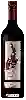
The best wines of Thailand
Discover the best wines of Thailand as well as the best winemakers of Thailand and estates of Thailand to visit. Explore the popular grape varieties of Thailand and the best vintages to taste in this region.

Discover the best wines of Thailand as well as the best winemakers of Thailand and estates of Thailand to visit. Explore the popular grape varieties of Thailand and the best vintages to taste in this region.
Looking for a good wine of Thailand among the top wines in the region? Check out our tops of the best red, white or effervescent wines of Thailand. Also find some food and wine pairings that may be appropriate with these exceptional wines. Learn more about the region and the wines of Thailand with technical and enological descriptions.
Want to buy a red wine of Thailand cheap or sell a red wine of Thailand at the best price on the market? Find out which ones are popular and which ones to keep in your cellar for a few more years.
Red wines from the region of Thailand go well with generally quite well with dishes of beef, lamb or veal such as recipes of flemish beer stew, moroccan tagine with lamb and cardoons or country-style veal roulades with risotto.
On the nose the red wine of the region of Thailand. often reveals types of flavors of non oak, earth or oak and sometimes also flavors of black fruit, spices or red fruit.
A wine route planned in the region of Thailand? Here are the wineries to visit and the winemakers to meet during your trip in search of the best red wine of Thailand.
Thailand, formerly known as Siam, is a kingdom in Southeast Asia. Located in the centre of the Indochinese peninsula, it borders Malaysia to the south, Cambodia to the southeast, Laos to the east and Myanmar (Burma) to the west. Thailand is perhaps best known for its beer, with brands such as Chang and Singha, but it also has a number of rum producers and the wine industry is also beginning to gain international recognition, often through pairings with Thai cuisine.
Thailand's first Vineyards were planted in the 1960s and were intended to produce table Grapes, but over the past three or four decades a number of vinifera varieties have also been grown.
Given the tropicalClimate of Thailand (located between latitudes 5 and 20 degrees North), these early attempts at winemaking were not to be successful. Rot and fungal diseases thrive in the heat and humidity that characterize the Thai climate. The lack of seasonal variations (necessary for the vine to become dormant) and diurnal temperature variations were also considered insurmountable obstacles to the production of quality wine. Although these elements are still present, their effect is now minimized by technology and adaptive viticultural techniques.
Thai vineyards are planted with a variety of grapes, but the most common is Malaga Blanc, a table grape from the south of France, not to be confused with Semillion, whose Spanish name is Malaga. It is believed that the White Malaga arrived in Thailand (then called Siam) in the late 17th century, given to the King of Siam by a French diplomat. It is grown in the spectacular floating vineyards of the Chao Praya Delta, where the harvested grapes are transported by small canoes along canals between the rows of vines. The Thick skins of the grapes help to cope with the country's Heavy rainfall.
Want to buy a white wine of Thailand cheap or sell a white wine of Thailand at the best price on the market? Find out which ones are popular and which ones to keep in your cellar for a few more years.
White wines from the region of Thailand go well with generally quite well with dishes of shellfish, lean fish or fruity desserts such as recipes of jambalaya (louisiana), seafood gratin, quick and tasty! or express cherry clafoutis.
On the nose the white wine of the region of Thailand. often reveals types of flavors of earth, microbio or tree fruit and sometimes also flavors of spices, citrus fruit or tropical fruit.
A wine route planned in the region of Thailand? Here are the wineries to visit and the winemakers to meet during your trip in search of the best white wine of Thailand.
Lively, aromatic whites with sharp acidity and a brisk palate, with aromas of citrus (grapefruit, lime), exotic fruits (passion fruit, mango), boxwood, nectarine and herbal notes. Typically crisp finish. Pillar of Côtes de Gascogne IGP (modern aromatic dry whites) and historically the base spirit for Cognac and Armagnac distillation. Exported to South Africa and California. Charentes variety, a cross of chenin × gouais blanc.
Want to buy a sparkling wine of Thailand cheap or sell a sparkling wine of Thailand at the best price on the market? Find out which ones are popular and which ones to keep in your cellar for a few more years.
Sparkling wines from the region of Thailand go well with generally quite well with dishes of shellfish, lean fish or fruity desserts such as recipes of seafood pie, shrimp curry and coconut (thailand) or apple pie.
On the nose the sparkling wine of the region of Thailand. often reveals types of flavors of tree fruit, citrus fruit.
A wine route planned in the region of Thailand? Here are the wineries to visit and the winemakers to meet during your trip in search of the best sparkling wine of Thailand.
There are generally four so-called fundamental flavours: acidity, bitterness, sweetness and saltiness. The first three are considered to be the building blocks of the structure of wines. They are perceived by the taste buds that cover the surface of the tongue.
Want to buy a pink wine of Thailand cheap or sell a pink wine of Thailand at the best price on the market? Find out which ones are popular and which ones to keep in your cellar for a few more years.
Pink wines from the region of Thailand go well with generally quite well with dishes of beef, lamb or spicy food such as recipes of beef with panang curry (red curry), shish kebab or tunisian tagine.
On the nose the pink wine of the region of Thailand. often reveals types of flavors of tree fruit, tropical fruit or red fruit and sometimes also flavors of non oak, earth or microbio.
A wine route planned in the region of Thailand? Here are the wineries to visit and the winemakers to meet during your trip in search of the best pink wine of Thailand.
Aromatic, refined whites with a fragrant palate and preserved acidity, showing intense, signature muscat aromas of rose, orange blossom, citrus, exotic fruits (lychee, mango), fresh grape and honey. Made as crisp dry, sparkling (Asti DOCG) and great naturally sweet wines (Beaumes-de-Venise AOC, Muscat de Rivesaltes AOC, Frontignan AOC, Lunel AOC, Samos PDO). Ancient Mediterranean variety, one of the oldest cultivated worldwide, ancestor of many muscats.
Want to buy a sweet wine of Thailand cheap or sell a sweet wine of Thailand at the best price on the market? Find out which ones are popular and which ones to keep in your cellar for a few more years.
Sweet wines from the region of Thailand go well with generally quite well with dishes of shellfish, lean fish or fruity desserts such as recipes of soupions à la provençale, sliced marinated swordfish cooked a la plancha or apple cake.
On the nose the sweet wine of the region of Thailand. often reveals types of flavors of non oak, earth or microbio and sometimes also flavors of oak, tree fruit or citrus fruit.
A wine route planned in the region of Thailand? Here are the wineries to visit and the winemakers to meet during your trip in search of the best sweet wine of Thailand.
Date of the beginning of the grape harvest, fixed by the lord in the tradition of the Middle Ages and, today, by the prefect.