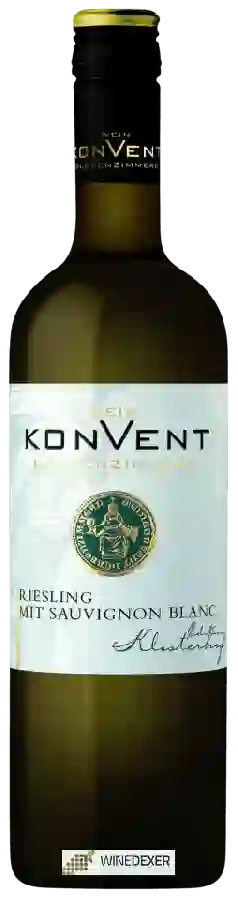
Winery Weinkonvent DürrenzimmernKlosterhof Riesling - Sauvignon Blanc Feinherb
 White wine


This wine generally goes well with pork, vegetarian or poultry.

Food and wine pairings with Klosterhof Riesling - Sauvignon Blanc Feinherb
Pairings that work perfectly with Klosterhof Riesling - Sauvignon Blanc Feinherb



Original food and wine pairings with Klosterhof Riesling - Sauvignon Blanc Feinherb



The Klosterhof Riesling - Sauvignon Blanc Feinherb of Winery Weinkonvent Dürrenzimmern matches generally quite well with dishes of pork, rich fish (salmon, tuna etc) or shellfish such as recipes of rabbit with hunter's sauce, baked cod portuguese style or salt and pepper shrimp.
Details and technical informations about Winery Weinkonvent Dürrenzimmern's Klosterhof Riesling - Sauvignon Blanc Feinherb.
Discover the grape variety: Riesling
Crystalline, taut whites with vibrant acidity and aromas of citrus, green apple, white flowers, vineyard peach and mineral/petrol notes with age. Made as dry (Trocken, Alsace), off-dry (Kabinett, Spätlese) and sweet (Auslese, Beerenauslese, Trockenbeerenauslese, late harvest). Star of the Moselle, Rheingau, Alsace AOC and Wachau. Also exported to Clare Valley and Finger Lakes.
Last vintages of this wine
The best vintages of Klosterhof Riesling - Sauvignon Blanc Feinherb from Winery Weinkonvent Dürrenzimmern are 2016, 0
Informations about the Winery Weinkonvent Dürrenzimmern
The Winery Weinkonvent Dürrenzimmern is one of of the world's greatest estates. It offers 93 wines for sale in the of Württemberg to come and discover on site or to buy online.

The wine region of Württemberg
Rare predominantly red region in Germany (nearly 70%). Supple, fruity everyday reds: light, crisp Trollinger (Schiava) with red fruits, more structured, spicy, deep Lemberger (Blaufränkisch), generous Schwarzriesling (Pinot Meunier). Riesling king of whites (>2,000 ha), lively and mineral, citrus and green apple. Germany's 4th region (11,500 ha) on the Neckar slopes around Heilbronn and Stuttgart.
The word of the wine: Nouaison
Phase of the vegetative cycle of the vine following flowering and corresponding to the formation of the grape berry.