The Weingut Heidegg of Luzern
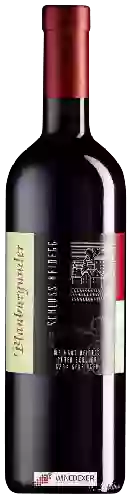
Weingut Heidegg
The winery offers 54 different wines
3.9


Note - 1Note - 1Note - 1Note - 1Note - 0
Its wines get an average rating of 3.9.
It is ranked in the top 9 of the estates of Luzern.
It is located in Luzern

The Weingut Heidegg is one of the largest wineries in the world. It offers 54 wines for sale in of Luzern to come and discover on site or to buy online.

Top Weingut Heidegg wines

Looking for the best Weingut Heidegg wines in Luzern among all the wines in the region? Check out our tops of the best red, white or effervescent Weingut Heidegg wines. Also find some food and wine pairings that may be suitable with the wines from this area. Learn more about the region and the Weingut Heidegg wines with technical and enological descriptions.

The top red wines of Weingut Heidegg

Food and wine pairings with a red wine of Weingut Heidegg

How Weingut Heidegg wines pair with each other generally quite well with dishes of beef, veal or game (deer, venison) such as recipes of daube niçoise, pork shank stew or roast duck breast or duck fillet with dried apricots.

Organoleptic analysis of red wines of Weingut Heidegg

On the nose the red wine of Weingut Heidegg. often reveals types of flavors of non oak, oak or spices and sometimes also flavors of red fruit, black fruit. In the mouth the red wine of Weingut Heidegg. is a with a nice freshness.

The best vintages in the red wines of Weingut Heidegg

  • 2015With an average score of 4.06/5
  • 2017With an average score of 3.92/5
  • 0With an average score of 3.91/5
  • 2018With an average score of 3.90/5
  • 2016With an average score of 3.75/5
  • 2012With an average score of 3.70/5

The grape varieties most used in the red wines of Weingut Heidegg.

  • Blauburgunder
  • Merlot
  • Zweigelt
  • Shiraz/Syrah
  • Cabernet Franc
  • Gamaret

Discovering the wine region of Luzern

The wine region of Luzern of Switzerland. Wineries and vineyards like the Domaine Klosterhof or the Domaine Bioweingut Sitenrain produce mainly wines white, red and sparkling. The most planted grape varieties in the region of Luzern are Pinot noir, Riesling and Solaris, they are then used in wines in blends or as a single variety. On the nose of Luzern often reveals types of flavors of non oak, oak or spices and sometimes also flavors of red fruit, black fruit or earth.

In the mouth of Luzern is a with a nice freshness. We currently count 26 estates and châteaux in the of Luzern, producing 129 different wines in conventional, organic and biodynamic agriculture. The wines of Luzern go well with generally quite well with dishes of rich fish (salmon, tuna etc), shellfish or vegetarian.

The top pink wines of Weingut Heidegg

Food and wine pairings with a pink wine of Weingut Heidegg

How Weingut Heidegg wines pair with each other generally quite well with dishes such as recipes .

The grape varieties most used in the pink wines of Weingut Heidegg.

  • Blauburgunder

Discover the grape variety: Chardonnay

The white Chardonnay is a grape variety that originated in France (Burgundy). It produces a variety of grape specially used for wine making. It is rare to find this grape to eat on our tables. This variety of grape is characterized by small bunches, and small grapes. White Chardonnay can be found in many vineyards: South West, Burgundy, Jura, Languedoc & Roussillon, Cognac, Bordeaux, Beaujolais, Savoie & Bugey, Loire Valley, Champagne, Rhone Valley, Armagnac, Lorraine, Alsace, Provence & Corsica.

The top white wines of Weingut Heidegg

Food and wine pairings with a white wine of Weingut Heidegg

How Weingut Heidegg wines pair with each other generally quite well with dishes of pork, rich fish (salmon, tuna etc) or vegetarian such as recipes of stuffed potatoes, toasted bagel with smoked salmon or zucchini quiche.

The best vintages in the white wines of Weingut Heidegg

  • 2016With an average score of 3.97/5
  • 2015With an average score of 3.94/5
  • 0With an average score of 3.92/5
  • 2014With an average score of 3.50/5

The grape varieties most used in the white wines of Weingut Heidegg.

  • Solaris
  • Riesling
  • Chardonnay
  • Sylvaner
  • Pinot Blanc
  • Pinot Gris

The word of the wine: Maceration

Prolonged contact and exchange between the juice and the grape solids, especially the skin. Not to be confused with the time of fermentation, which follows maceration. The juice becomes loaded with colouring matter and tannins, and acquires aromas. For a rosé, the maceration is short so that the colour does not "rise" too much. For white wines too, a "pellicular maceration" can be practised, which allows the wine to acquire more fat.

The top sweet wines of Weingut Heidegg

Food and wine pairings with a sweet wine of Weingut Heidegg

How Weingut Heidegg wines pair with each other generally quite well with dishes of pork, rich fish (salmon, tuna etc) or spicy food such as recipes of braised (green) cabbage, papillotes of simple salmon steaks or red wine fondue.

The grape varieties most used in the sweet wines of Weingut Heidegg.

  • Riesling
  • Sylvaner

Discover the grape variety: Solaris

Interspecific cross between merzling x Geisenheim 6493 (zarya severa x muscat ottonel) obtained in Germany in 1975 by Norbert Becker. It has the particularity of having only one gene for resistance to mildew and powdery mildew. It can be found in Germany, Belgium, Italy, Switzerland, the Netherlands, Denmark, England, etc. In France, it is still little known.

Discover other wineries and winemakers neighboring the Weingut Heidegg

Planning a wine route in the of Luzern? Here are the wineries to visit and the winemakers to meet during your trip in search of wines similar to Weingut Heidegg.

Discover the grape variety: Gamaret

Gamaret noir is a grape variety that originated in Switzerland. It produces a variety of grape specially used for the elaboration of wine. It is rare to find this grape to eat on our tables. This variety of vine is characterized by medium-sized bunches, and grapes of medium size. Gamaret noir can be found in many vineyards: South-West, Cognac, Bordeaux, Loire Valley, Burgundy, Jura, Champagne, Beaujolais, Provence & Corsica, Rhone Valley, Savoie & Bugey, Languedoc & Roussillon.