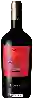
Winery Virgilio VignatoCimè
 Red wine


In the mouth this red wine is a powerful.
This wine generally goes well with beef, game (deer, venison) or lamb.

Taste structure of the Cimè from the Winery Virgilio Vignato
Light | Bold | |
Smooth | Tannic | |
Dry | Sweet | |
Soft | Acidic |
In the mouth the Cimè of Winery Virgilio Vignato in the region of Veneto is a powerful.
Food and wine pairings with Cimè
Pairings that work perfectly with Cimè



Original food and wine pairings with Cimè

The Cimè of Winery Virgilio Vignato matches generally quite well with dishes of beef, pasta or lamb such as recipes of cornish pasties, pasta bolognese or lamb stew with yoghurt and coriander.
Details and technical informations about Winery Virgilio Vignato's Cimè.
Discover the grape variety: Merlot
Round and fleshy reds with a velvety texture, showing aromas of ripe plum, black cherry, cocoa and truffle notes with age. Supple tannins, generous alcohol, indulgent finish. Pillar of Libournais (Pomerol with Pétrus, Saint-Émilion with Cheval Blanc and Ausone) and signature of Super Tuscans, Italian Wales and Washington State. A cross of Cabernet Franc × Magdeleine Noire, France's most planted red variety.
Last vintages of this wine
The best vintages of Cimè from Winery Virgilio Vignato are 0
Informations about the Winery Virgilio Vignato
The Winery Virgilio Vignato is one of of the world's great estates. It offers 15 wines for sale in the of Veneto to come and discover on site or to buy online.

The wine region of Veneto
World star of Prosecco: fresh, light Glera sparklers with notes of pear, green apple and white flowers, fruity, convivial bubbles. Veronese reds from Corvina and Rondinella: light, crisp Bardolino, fruity Valpolicella, opulent, concentrated Amarone DOCG (black cherry, chocolate, raisin) from dried grapes. Mineral, almondy Soave (Garganega) whites, fresh Pinot Grigio. 97,500 ha, Italy's largest production.
The word of the wine: Aging on lees
Maturing on the lees enhances the stability, aromatic complexity and texture of white wines, which gain in body and volume. This phenomenon is induced by autolysis, the process of self-degradation of the lees.