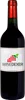
Domaine DescombeGevrey-Chambertin
 Red wine
This wine generally goes well with poultry, beef or veal.

Food and wine pairings with Gevrey-Chambertin
Pairings that work perfectly with Gevrey-Chambertin



Original food and wine pairings with Gevrey-Chambertin

The Gevrey-Chambertin of Domaine Descombe matches generally quite well with dishes of beef, veal or game (deer, venison) such as recipes of steak tartare, veal rouelle normande or rabbit in white wine (casserole).
Details and technical informations about Domaine Descombe's Gevrey-Chambertin.
Discover the grape variety: Pinot noir
Elegant reds, light in colour with silky tannins, showing strawberry, cherry and raspberry aromas, evolving to forest floor, mushroom and spice with age. Fresh acidity, delicate finish. Star of the Côte d'Or (Romanée-Conti, Chambertin, Volnay), pillar of Champagne (Blanc de Noirs) and signature of Oregon, Central Otago and Sonoma Coast. An early-ripening Burgundian variety, one of the world's greatest.
Informations about the Domaine Descombe
The Domaine Descombe is one of of the world's great estates. It offers 115 wines for sale in the of Gevrey-Chambertin to come and discover on site or to buy online.

The wine region of Gevrey-Chambertin
The Champs-Élysées of Burgundy in the Côte de Nuits: signature Pinot Noir reigns exclusively in reds — intense ruby with carmine glints, complete and structured with strawberry, cherry, blackberry, violet and a liquorice touch, undergrowth and dried fruit on ageing, firm yet silky tannins marrying power and elegance. More robust than its Côte de Beaune neighbours. Village AOC (1936) over Gevrey and Brochon, 26 Premiers Crus and 9 Grands Crus including legendary Chambertin and Clos de Bèze.
The wine region of Burgundy
Absolute reference for great terroir wines: opulent, mineral Chardonnay in whites (chiselled Chablis, buttery Meursault, majestic Montrachet), fine and silky Pinot Noir in reds (full-bodied Gevrey, structured Pommard, delicate Volnay). Exceptional age-worthy wines with complex notes - red fruits, undergrowth, butter, hazelnut. Some lively Aligoté and light Gamay (Mâconnais). 29,500 ha, 84 tiered AOCs (Régionale, Village, 1er Cru, Grand Cru), 1,247 UNESCO Climats.
The word of the wine: Malolactic fermentation
Called second fermentation or malo for short. It is the degradation (under the effect of bacteria) of the malic acid naturally present in the wine into milder, less aggressive lactic acid. Some producers or wineries refuse this operation by "blocking the malo" (by cold and adding SO2) to keep a maximum of acidity which carries the aromas and accentuates the sensation of freshness.