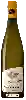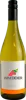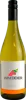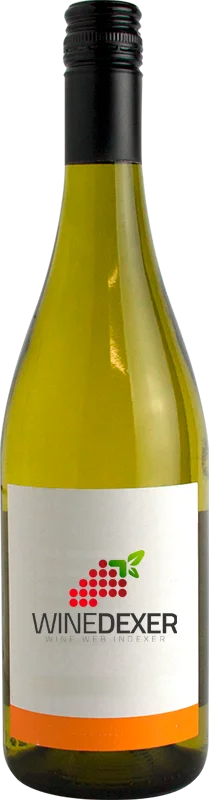
Vineland Estates WineryChardonnay Musqué
 White wine



This wine generally goes well with

Wine flavors and olphactive analysis





On the nose the Chardonnay Musqué of Vineland Estates Winery in the region of New York often reveals types of flavors of non oak, earth or microbio and sometimes also flavors of oak, tree fruit or spices.
Details and technical informations about Vineland Estates Winery's Chardonnay Musqué.
Discover the grape variety: Graisse
Lively, neutral dry whites with a pale golden robe, a taut palate with marked acidity, and undemonstrative aromas of citrus and white flowers. An acidic profile ideal for distillation. A traditional component of Armagnac AOC blends, it contributes to the aromatic identity and finesse of Gascon eau-de-vie alongside Ugni Blanc, Baco and Colombard. An indigenous French white from the South-West, grown mainly in Gascony for distillation.
Last vintages of this wine
The best vintages of Chardonnay Musqué from Vineland Estates Winery are 2011, 0
Informations about the Vineland Estates Winery
The Vineland Estates Winery is one of of the world's great estates. It offers 79 wines for sale in the of Niagara Escarpment to come and discover on site or to buy online.

The wine region of Niagara Escarpment
VQA sub-appellation of the Niagara Peninsula (Ontario) along the escarpment overlooking the lake; lake effect and slope extend the season to over 205 frost-free days. Riesling is the signature white king: taut and upright with citrus, white peach, green apple, white flowers and mineral touches, acidity preserved for ageing. Ample Chardonnay, airy Pinot Noir and spicy Cabernet Franc as complements. Legendary icewines (apricot, honey, candied citrus).
The wine region of New York
America's 3rd wine state by volume, striking diversity. Finger Lakes the signature: cool-climate Riesling, dry to off-dry, mineral and lively with notes of lime, apple, evolving petrol and white flowers — a US benchmark. Warmer Long Island for peppery Cabernet Franc and supple Merlot. Hudson Valley (Seyval, Vidal).
The word of the wine: Terroir
Strictly speaking, the notion of terroir corresponds to the geological characteristics of a vineyard. However, when we talk about terroir, we take into account the soil, the climate (even the microclimate), the flora, the fauna, and the human factor that characterizes the practices that make up the art of the craft.