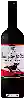
Winery Vinarija CokaLederer Cabernet Sauvignon
 Red wine


This wine generally goes well with poultry, beef or lamb.

Food and wine pairings with Lederer Cabernet Sauvignon
Pairings that work perfectly with Lederer Cabernet Sauvignon



Original food and wine pairings with Lederer Cabernet Sauvignon

The Lederer Cabernet Sauvignon of Winery Vinarija Coka matches generally quite well with dishes of beef, lamb or spicy food such as recipes of tanjia, lamb in a crown with spring vegetables or lamb tagine with honey and onions.
Details and technical informations about Winery Vinarija Coka's Lederer Cabernet Sauvignon.
Discover the grape variety: Cabernet-Sauvignon
Structured, tannic reds, deeply coloured, with aromas of blackcurrant, blackberry, cedar, tobacco and graphite, underpinned by firm acidity and fine ageing potential. Cornerstone of the great Médoc estates (Pauillac, Saint-Estèphe, Saint-Julien) and signature of Napa Valley, Coonawarra and Maipo. The world's most planted red variety, a natural cross of Cabernet Franc x Sauvignon Blanc born in Bordeaux.
Last vintages of this wine
The best vintages of Lederer Cabernet Sauvignon from Winery Vinarija Coka are 0
Informations about the Winery Vinarija Coka
The Winery Vinarija Coka is one of of the world's greatest estates. It offers 30 wines for sale in the of Central Serbia to come and discover on site or to buy online.

The wine region of Central Serbia
Wine heart of Serbia, mosaic vineyards between 200-500 m on the Morava valleys. Signature Prokupac, an autochthonous grape documented since the 14th c. : deep ruby reds with signature notes of red fruits (cherry, raspberry), sweet spices, dried herbs and a peppery touch, balanced tannins and a fresh palate — a Serbian identity. Also dense, fleshy Vranac (blackberry, leather), aromatic Tamjanika (local Muscat).
The word of the wine: Vinification of sweet wines
Moelleux and liquoreux wines are characterized by the presence of residual sugars (natural sugar of the grape), not transformed into alcohol under the effect of yeasts. The fermentation is stopped by cold and by the addition of sulphur dioxide (sulphur).