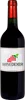
Winery Viña San Juan de LeydaMatilde Syrah
 Red wine



This wine generally goes well with beef, lamb or mature and hard cheese.

Food and wine pairings with Matilde Syrah
Pairings that work perfectly with Matilde Syrah



Original food and wine pairings with Matilde Syrah

The Matilde Syrah of Winery Viña San Juan de Leyda matches generally quite well with dishes of beef, lamb or spicy food such as recipes of quick beef and cheese yakitori, lamb crumble with oregano and feta cheese or fish with madras curry and coconut milk.
Details and technical informations about Winery Viña San Juan de Leyda's Matilde Syrah.
Discover the grape variety: Prunelard
Structured, colourful reds with a dark ruby hue, firm tannins and a dense palate, with signature aromas of black fruits (blackberry, blackcurrant), plum, sloe (hence its name), black cherry, spices and balsamic notes. Fine ageing potential. Once nearly extinct, rediscovered and preserved for its genetic value: biological parent of malbec. Grown by a handful of Gaillac winemakers in Gaillac AOC. Native French variety from the South-West, ancestral identity.
Last vintages of this wine
The best vintages of Matilde Syrah from Winery Viña San Juan de Leyda are 0
Informations about the Winery Viña San Juan de Leyda
The Winery Viña San Juan de Leyda is one of of the world's greatest estates. It offers 3 wines for sale in the of San Antonio Valley to come and discover on site or to buy online.

The wine region of San Antonio Valley
Chilean coastal sub-region 90 km west of Santiago, cool climate with morning Humboldt Current fogs, clay and granitic soils. Sauvignon Blanc white king: crisp with citrus, lime, grapefruit, fresh herbs, passion fruit and saline touch — taut Chilean version (Leyda sub-zone). Taut Chardonnay (pear, chalk), airy Pinot Noir (cherry, undergrowth), peppery Syrah. Elegant cool-climate wines.
The wine region of Aconcagua
Chilean valley at the foot of the highest summit of the Americas (6,960 m), hot dry climate tempered by Pacific breezes, altitude vineyards up to 1,600 m. Signature Cabernet Sauvignon as red king: powerful with blackcurrant, blackberry, black cherry, eucalyptus, cedar, tobacco and peppery touch, firm tannins and exceptional ageing — home of Errazuriz (1870) and great Chileans (Sena, Don Maximiano). Dense Syrah, spiced Carmenere and supple Merlot as complements.
The word of the wine: Primeur (wine)
A wine made to be drunk very young, bottled and marketed very soon after fermentation (about two months). Syn.: new.