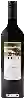
Vignobles VellasBluefite 1819 Corbières
 Red wine
This wine generally goes well with beef, veal or pasta.
Food and wine pairings with Bluefite 1819 Corbières
Pairings that work perfectly with Bluefite 1819 Corbières



Original food and wine pairings with Bluefite 1819 Corbières
The Bluefite 1819 Corbières of Vignobles Vellas matches generally quite well with dishes of beef, pasta or veal such as recipes of authentic bolognese sauce (ragù di carne), spaghetti with squid ink (italy) or chicken breast with curry and mushrooms.
Details and technical informations about Vignobles Vellas's Bluefite 1819 Corbières.
Discover the grape variety: Perlette
Crossing made in the United States in 1936 by Professor Harold P. Olmo of the University of Davis (California) between the queen of the vines and the sultana, registered in the Official Catalogue of vine varieties list A1. - Synonymy: no known synonym (for all the synonyms of the grape varieties, click here!).
Informations about the Vignobles Vellas
The Vignobles Vellas is one of wineries to follow in Corbières.. It offers 197 wines for sale in the of Corbières to come and discover on site or to buy online.

The wine region of Corbières
Corbières is an important appellation in the Languedoc-roussillon">Languedoc-Roussillon region of southern France. It is one of the best known and most productive appellations in the Languedoc. The Corbières vineyards produce large quantities of red and rosé wines, as well as a growing number of white wines. The reds are the strongest Part of the appellation; they are reputedly Rich and herbal, made from Grenache, Syrah, Mourvèdre, Lledoner Pelut and Carignan.
The wine region of Languedoc-Roussillon
Languedoc (formerly Coteaux du Languedoc) is a key appellation used in the Languedoc-Roussillon wine region of southern France. It covers Dry table wines of all three colors (red, white and rosé) from the entire region, but leaves Sweet and Sparkling wines to other more specialized appellations. About 75% of all Languedoc wines are red, with the remaining 25% split roughly down the middle between whites and rosés. The appellation covers most of the Languedoc region and almost a third of all the vineyards in France.
The word of the wine: Saignée (rosé de)
Rosé wine made from a vat of black grapes after a short maceration period.