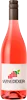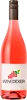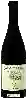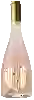
Vignobles Rambier AineTerres des Filles Rosé
 Pink wine


In the mouth this pink wine is a with a nice freshness.
This wine generally goes well with vegetarian, appetizers and snacks or lean fish.

Taste structure of the Terres des Filles Rosé from the Vignobles Rambier Aine
Light | Bold | |
Dry | Sweet | |
Soft | Acidic |
In the mouth the Terres des Filles Rosé of Vignobles Rambier Aine in the region of Languedoc-Roussillon is a with a nice freshness.
Food and wine pairings with Terres des Filles Rosé
Pairings that work perfectly with Terres des Filles Rosé



Original food and wine pairings with Terres des Filles Rosé


The Terres des Filles Rosé of Vignobles Rambier Aine matches generally quite well with dishes of pasta, vegetarian or appetizers and snacks such as recipes of pasta with pistou, vegan leek and tofu quiche or lupine seeds for kemia (the aperitif).
Details and technical informations about Vignobles Rambier Aine's Terres des Filles Rosé.
Discover the grape variety: Courbu noir
Light and fruity reds with a clear ruby robe, smooth tannins and a supple palate, with simple and delicate aromas of red fruits (cherry, raspberry) and floral notes. A rare airy profile today. Preserved for its heritage value, it survives in a few heritage parcels in Béarn among the old South-West varieties studied. The black variant of Courbu, a French native grape from Béarn and the Basque Country.
Informations about the Vignobles Rambier Aine
The Vignobles Rambier Aine is one of of the world's great estates. It offers 31 wines for sale in the of Languedoc-Roussillon to come and discover on site or to buy online.

The wine region of Languedoc-Roussillon
Largest single French vineyard, dominated by sunny, generous reds. Spicy Syrah, candied Grenache (ripe fruit, garrigue), structured Carignan, deep Mourvèdre, supple Cinsault. Stars: structured Corbières, Minervois, Faugères, Saint-Chinian; round Côtes-du-Roussillon. Legendary vins doux naturels: Banyuls and Maury (fortified Grenache) with notes of cocoa, fig, prune.
The word of the wine: Delicate
Said of a wine that is fine and subtle in the mouth.