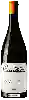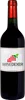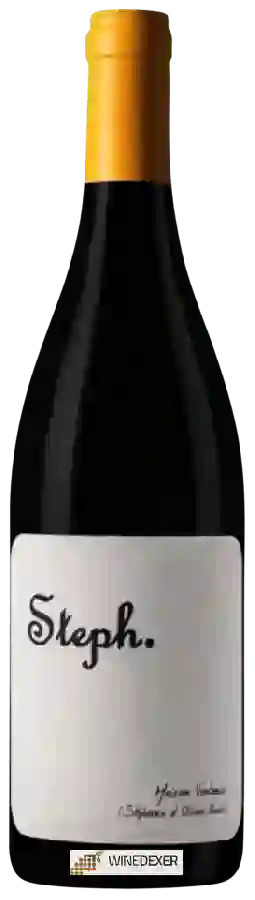
Maison VentenacSteph
 Red wine
In the mouth this red wine is a powerful with a nice balance between acidity and tannins.
This wine generally goes well with beef, veal or pasta.
Taste structure of the Steph from the Maison Ventenac
Light | Bold | |
Smooth | Tannic | |
Dry | Sweet | |
Soft | Acidic |
In the mouth the Steph of Maison Ventenac in the region of Languedoc-Roussillon is a powerful with a nice balance between acidity and tannins.
Food and wine pairings with Steph
Pairings that work perfectly with Steph



Original food and wine pairings with Steph
The Steph of Maison Ventenac matches generally quite well with dishes of beef, pasta or veal such as recipes of roast beef with pepper, quiche with tartiflette or piccata with cheese.
Details and technical informations about Maison Ventenac's Steph.
Discover the grape variety: Romorantin
Romorantin is a white grape variety named after the town in the Loir-et-Cher region where it originated. It was François 1er who planted the first Romorantin vines here in 1519, and it has gradually been replaced by Sauvignon, considered more aromatic, and is only planted in the Loir-et-Cher region, where it is the source of the Cour-Cheverny AOC. Its bunches of small white berries, which turn pink when ripe, are resistant to grey rot. Cour-Cheverny wines are fruity white wines with aromas of white flowers, citrus fruit and honey. Their lively, full-bodied character means they can be enjoyed after a few years' storage.
Informations about the Maison Ventenac
The Maison Ventenac is one of of the world's great estates. It offers 105 wines for sale in the of Cabardès to come and discover on site or to buy online.

The wine region of Cabardès
Cabardes is a relatively small appellation for red and rosé wines produced in the hills just North of Carcassonne in Southern France. The appellation was introduced in 1999, to represent and ensure the quality of the wines, which have been produced here since Roman times. The Languedoc-Roussillon/cabards">Cabardès catchment area, situated in the foothills of the Montagne Noire, is on the border between the Languedoc-Roussillon and the South West of France. This dual identity is reflected in the Grape varieties that make up the wines of the appellation: Grenache and Syrah from the south and east of France; Cabernet Franc, Cabernet Sauvignon and Merlot from the southwest and Bordeaux.
The wine region of Languedoc-Roussillon
Languedoc (formerly Coteaux du Languedoc) is a key appellation used in the Languedoc-Roussillon wine region of southern France. It covers Dry table wines of all three colors (red, white and rosé) from the entire region, but leaves Sweet and Sparkling wines to other more specialized appellations. About 75% of all Languedoc wines are red, with the remaining 25% split roughly down the middle between whites and rosés. The appellation covers most of the Languedoc region and almost a third of all the vineyards in France.
The word of the wine: SR
A company of harvesters and handlers who have pooled their equipment (press, vats, etc.).