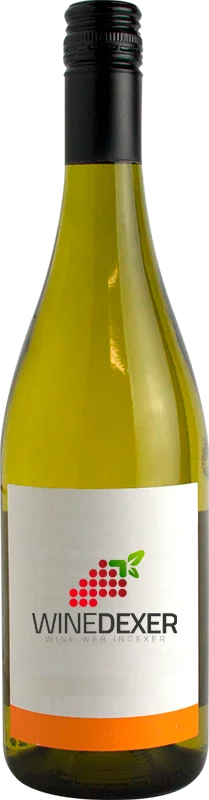
Winery Vale da JudiaMoscatel
 White wine


In the mouth this white wine is a .
This wine generally goes well with blue cheese and sweet desserts.
Taste structure of the Moscatel from the Winery Vale da Judia
Light | Bold | |
Dry | Sweet | |
Soft | Acidic |
In the mouth the Moscatel of Winery Vale da Judia in the region of Península de Setúbal is a .
Wine flavors and olphactive analysis


On the nose the Moscatel of Winery Vale da Judia in the region of Península de Setúbal often reveals types of flavors of earth, microbio or tree fruit and sometimes also flavors of citrus fruit, tropical fruit.
Food and wine pairings with Moscatel
Pairings that work perfectly with Moscatel


Original food and wine pairings with Moscatel
The Moscatel of Winery Vale da Judia matches generally quite well with dishes of sweet desserts or blue cheese such as recipes of homemade cookies or sardinade with roquefort cheese.
Details and technical informations about Winery Vale da Judia's Moscatel.
Discover the grape variety: Grand noir de la C
A cross between petit Bouschet and aramon obtained by Henri Bouschet in 1855. It should be noted that this grape variety is very similar to the piquepoul-bouschet (a cross between the piquepoul gris and the petit Bouschet) with which it should not be confused. Grand Noir de la Calmette is in the process of disappearing, and is still found only in the form of isolated strains in old vines in the south and southwest of France. - Synonymy: gros noir, sousao do Oeste, sumo tinto (all the synonyms of the grape varieties, click here!)
Last vintages of this wine

The best vintages of Moscatel from Winery Vale da Judia are 2014, 2010, 2015, 2011 and 0.
Informations about the Winery Vale da Judia
The Winery Vale da Judia is one of of the world's greatest estates. It offers 12 wines for sale in the of Península de Setúbal to come and discover on site or to buy online.

The wine region of Península de Setúbal
Setúbal Peninsula (also known as Península de Setúbal) is the Portuguese wine region immediately southeast of Lisbon, across the Tejo estuary. The Terroir in the area ranges from sandy coastal plains to the craggy, limestone-rich Serra Arribida hills. The area is known for its Dry red wines made from Castelão, and for its fortified wines and Sweet Moscatel de Setúbal. The wines produced here are made under three titles: two DOCs, Palmela and Setúbal, and one IGP.
The word of the wine: Long
Wine with persistence in the mouth. This persistence in the mouth of a wine is measured in caudalies.