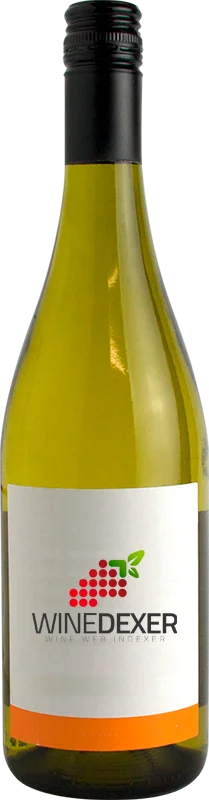
Winery Vaga LumeBranco
 White wine


In the mouth this white wine is a .
This wine generally goes well with pork, lean fish or shellfish.
Taste structure of the Branco from the Winery Vaga Lume
Light | Bold | |
Dry | Sweet | |
Soft | Acidic |
In the mouth the Branco of Winery Vaga Lume in the region of Alentejano is a .
Food and wine pairings with Branco
Pairings that work perfectly with Branco



Original food and wine pairings with Branco

The Branco of Winery Vaga Lume matches generally quite well with dishes of pasta, pork or shellfish such as recipes of the real recipe for carbonara, boeuf en daube or fish and shrimp wok with curry.
Details and technical informations about Winery Vaga Lume's Branco.
Discover the grape variety: Verdelho
The white Verdelho is a grape variety that originated in Portugal. It produces a variety of grape specially used for the elaboration of wine. It is rare to find this grape to eat on our tables. This variety of grape is characterized by small bunches, and grapes of medium size. The white Verdelho can be found cultivated in these vineyards: Languedoc & Roussillon, Rhone Valley, South West.
Last vintages of this wine
The best vintages of Branco from Winery Vaga Lume are 0, 2016
Informations about the Winery Vaga Lume
The Winery Vaga Lume is one of of the world's greatest estates. It offers 4 wines for sale in the of Alentejano to come and discover on site or to buy online.

The wine region of Alentejano
Tejo">Alentejo is a well-known, highly respected wine region in eastern Portugal. This hot, Dry area covers approximately a third of the country and is best known for its red wine, the best of which are sold under the and Alentejo DOC (Denominacao de Origem Controlada) title. Wine from Alentejo is typically made from Aragonez (Tempranillo), Castelao, Trincadeira or a Rich, ripe, jammy blend of the three. Antao Vaz is the white variety of choice here, producing a good level of Acidity and tropical fruit flavors.
The word of the wine: Blanc de blancs (champagne)
Champagne made only from the Chardonnay grape. The expression has been somewhat overused by the intensive use made of it by certain large distributors of white table wines (or sparkling wines) who were thus seeking to promote their product.