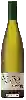
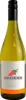
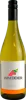
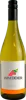
Winery Unionville VineyardsSingle Vineyard Unionville Home Chardonnay
 White wine
This wine generally goes well with pork, vegetarian or poultry.
Food and wine pairings with Single Vineyard Unionville Home Chardonnay
Pairings that work perfectly with Single Vineyard Unionville Home Chardonnay



Original food and wine pairings with Single Vineyard Unionville Home Chardonnay

The Single Vineyard Unionville Home Chardonnay of Winery Unionville Vineyards matches generally quite well with dishes of pork, rich fish (salmon, tuna etc) or vegetarian such as recipes of pork roulades with cream and mushrooms, grilled bass with pastis and fennel or cream and tuna quiche.
Details and technical informations about Winery Unionville Vineyards's Single Vineyard Unionville Home Chardonnay.
Discover the grape variety: Chardonnay
The white Chardonnay is a grape variety that originated in France (Burgundy). It produces a variety of grape specially used for wine making. It is rare to find this grape to eat on our tables. This variety of grape is characterized by small bunches, and small grapes. White Chardonnay can be found in many vineyards: South West, Burgundy, Jura, Languedoc & Roussillon, Cognac, Bordeaux, Beaujolais, Savoie & Bugey, Loire Valley, Champagne, Rhone Valley, Armagnac, Lorraine, Alsace, Provence & Corsica.
Informations about the Winery Unionville Vineyards
The Winery Unionville Vineyards is one of of the world's great estates. It offers 42 wines for sale in the of New Jersey to come and discover on site or to buy online.

The wine region of New Jersey
New Jersey is one of the smallest states in the United States, located on the Atlantic coast between New York to the North and Pennsylvania to the west. With its Rich agricultural history, the Garden State is a viable location for wineries and vineyards in an idyllic setting. The temperature, strongly moderated by the Atlantic Ocean, is suitable for Hybrid and vinifera grapes. Chardonnay, Cabernet Franc and Chambourcin are among the most important varieties planted in New Jersey.
The word of the wine: Destemming
Operation consisting in eliminating the vegetal part of the bunch supporting the berries, its maceration with the must giving a herbaceous taste to the wine.