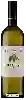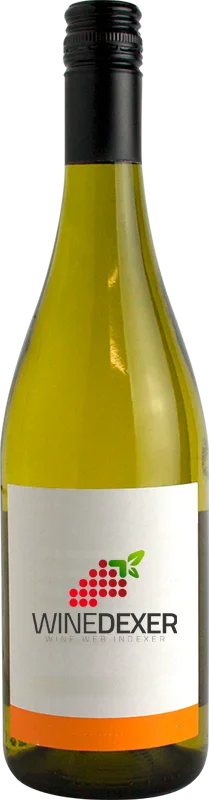
Winery TrappoliniBrecceto Grechetto
 White wine



In the mouth this white wine is a with a nice freshness.
This wine generally goes well with vegetarian, appetizers and snacks or lean fish.
Taste structure of the Brecceto Grechetto from the Winery Trappolini
Light | Bold | |
Dry | Sweet | |
Soft | Acidic |
In the mouth the Brecceto Grechetto of Winery Trappolini in the region of Lazio is a with a nice freshness.
Wine flavors and olphactive analysis


On the nose the Brecceto Grechetto of Winery Trappolini in the region of Lazio often reveals types of flavors of oak.
Food and wine pairings with Brecceto Grechetto
Pairings that work perfectly with Brecceto Grechetto



Original food and wine pairings with Brecceto Grechetto


The Brecceto Grechetto of Winery Trappolini matches generally quite well with dishes of pasta, vegetarian or appetizers and snacks such as recipes of pasta with asparagus and chicken, salmon and goat cheese quiche or lupine seeds for kemia (the aperitif).
Details and technical informations about Winery Trappolini's Brecceto Grechetto.
Discover the grape variety: Aurore
Interspecific cross between 788 Seibel x 29 Seibel - like 4638 white Seibel - obtained by Albert Seibel (1844-1936).
Last vintages of this wine
The best vintages of Brecceto Grechetto from Winery Trappolini are 2014, 2013, 2016, 2015 and 0.
Informations about the Winery Trappolini
The Winery Trappolini is one of of the world's greatest estates. It offers 16 wines for sale in the of Lazio to come and discover on site or to buy online.

The wine region of Lazio
Lazio is a region in CentralItaly, where the ancient capital of Rome is located. The region's reputation is based primarily on its white wines, the main varieties of which are Trebbiano, Malvasia di Candia and Malvasia Puntinata. Traditionally, these wines were fat, Round, abboccato and intended for immediate consumption. Today, the styles are lighter, drier and crisper thanks to modern winemaking methods.
The word of the wine: Great wine
In the Bordeaux vineyards, the grand vin is the main wine of the château, although a "second wine" is usually produced. It is a wine of lesser ageing made from the youngest vines.