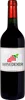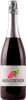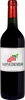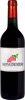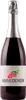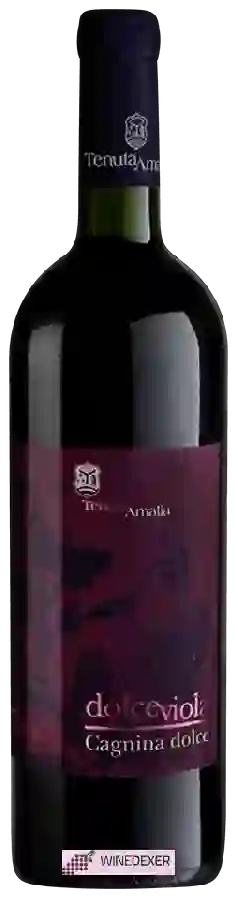
Winery Tenuta AmaliaDolce Viola Cagnina
 Red wine



In the mouth this red wine is a powerful mainly marked by the residual sugar.
This wine generally goes well with beef, game (deer, venison) or lamb.

Taste structure of the Dolce Viola Cagnina from the Winery Tenuta Amalia
Light | Bold | |
Smooth | Tannic | |
Dry | Sweet | |
Soft | Acidic |
In the mouth the Dolce Viola Cagnina of Winery Tenuta Amalia in the region of Emilia-Romagna is a powerful mainly marked by the residual sugar.
Food and wine pairings with Dolce Viola Cagnina
Pairings that work perfectly with Dolce Viola Cagnina



Original food and wine pairings with Dolce Viola Cagnina

The Dolce Viola Cagnina of Winery Tenuta Amalia matches generally quite well with dishes of beef, pasta or lamb such as recipes of borscht (russia), spaghetti with salmon or seven o'clock leg of lamb.
Details and technical informations about Winery Tenuta Amalia's Dolce Viola Cagnina.
Discover the grape variety: Douce noire
Supple, fruity reds with an intense ruby colour, soft tannins and a generous palate, showing signature aromas of red fruits (cherry, raspberry), plum, blackberry, soft spices and floral notes (violet). A charming style to drink young. A component of Savoie and Bugey blends, celebrated in California as Charbono and in Argentina as Bonarda. Indigenous French variety of Savoie and the Aosta Valley.
Last vintages of this wine
The best vintages of Dolce Viola Cagnina from Winery Tenuta Amalia are 2019, 2017, 2016, 0 and 2015.
Informations about the Winery Tenuta Amalia
The Winery Tenuta Amalia is one of of the world's greatest estates. It offers 24 wines for sale in the of Emilia-Romagna to come and discover on site or to buy online.

The wine region of Emilia-Romagna
Kingdom of Lambrusco: fresh, fruity sparkling reds (blackberry, cherry, violet), from gourmet dry to convivial off-dry, perfect with local charcuterie. World's best-selling sparkling wine on the Emilia side (Sorbara, Grasparossa, Salamino). East, Romagna: supple fruity Sangiovese, Albana (Italy's 1st white DOCG, 1987) ample and almondy. Also red Gutturnio and white Pignoletto.
The word of the wine: Naturé
See savagnin.