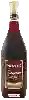
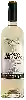
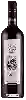
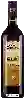
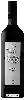
Winery TaberneroVittoria Malbec
 Red wine


This wine generally goes well with poultry, beef or mature and hard cheese.
The Vittoria Malbec of the Winery Tabernero is in the top 20 of wines of Peru and in the top 20 of wines of Ica.

Wine flavors and olphactive analysis



On the nose the Vittoria Malbec of Winery Tabernero in the region of Ica often reveals types of flavors of non oak, earth or oak and sometimes also flavors of spices, red fruit or black fruit.
Food and wine pairings with Vittoria Malbec
Pairings that work perfectly with Vittoria Malbec



Original food and wine pairings with Vittoria Malbec

The Vittoria Malbec of Winery Tabernero matches generally quite well with dishes of beef, spicy food or mature and hard cheese such as recipes of oxtail with seed sauce, grilled pork ribs with barbecue sauce or cannelloni with zucchini.
Details and technical informations about Winery Tabernero's Vittoria Malbec.
Discover the grape variety: Malbec
Deep, velvety reds with an intense purple colour, showing aromas of blackberry, black plum, violet, cocoa and gentle spice. Round tannins, fleshy palate, peppery length. Star of Cahors AOC (Côt, Auxerrois) in France and the absolute signature of Mendoza, Argentina (Uco Valley, Luján de Cuyo). A French South-West variety that became the Argentine emblem after its post-phylloxera decline.
Last vintages of this wine

The best vintages of Vittoria Malbec from Winery Tabernero are 2019, 2018, 2014, 2016 and 2012.
Informations about the Winery Tabernero
The Winery Tabernero is one of of the world's greatest estates. It offers 39 wines for sale in the of Ica to come and discover on site or to buy online.

The wine region of Ica
Peruvian region ~300 km south of Lima on the Pacific coast, heart of Pisco. Dry desert climate, draining sandy soils, Andean irrigation. Signature Pisco as national eau-de-vie (no wood ageing) with fresh grape, white flowers, citrus, tropical fruits and muscat notes. Aromatic pisquera varieties (Italia, Moscatel, Albilla, Torontel) and non-aromatic (Quebranta, Negra Criolla, Mollar).
The word of the wine: Phenolic ripeness
A distinction is made between the ripeness of sugars and acids and the ripeness of tannins and other compounds such as anthocyanins and tannins, which will bring structure and colour. Grapes can be measured at 13° potential without having reached this phenolic maturity. Vinified at this stage, they will give hard, astringent wines, without charm.