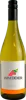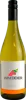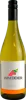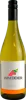
Winery SoryuGrand Koshu
 White wine


In the mouth this white wine is a .
This wine generally goes well with lean fish and shellfish.

Taste structure of the Grand Koshu from the Winery Soryu
Light | Bold | |
Dry | Sweet | |
Soft | Acidic |
In the mouth the Grand Koshu of Winery Soryu in the region of Yamanashi-ken is a .
Wine flavors and olphactive analysis



On the nose the Grand Koshu of Winery Soryu in the region of Yamanashi-ken often reveals types of flavors of microbio, citrus fruit.
Food and wine pairings with Grand Koshu
Pairings that work perfectly with Grand Koshu


Original food and wine pairings with Grand Koshu
The Grand Koshu of Winery Soryu matches generally quite well with dishes of shellfish or lean fish such as recipes of navarin of the sea da gigi or phad thai (thai style fried noodles).
Details and technical informations about Winery Soryu's Grand Koshu.
Discover the grape variety: Koshu
Delicate, taut whites with a pale, slightly pinkish robe (grey-pink skin), an airy palate and fresh acidity, with subtle aromas of citrus (yuzu, grapefruit), green apple, white flowers, pear, almond and saline mineral notes. Slightly bitter, refined finish. Signature of the modern whites of Yamanashi (around Mount Fuji) and the locomotive of Japanese wine exports. Autochthonous hybrid variety (vinifera × vitis amurensis), cultivated in Japan for over a thousand years.
Last vintages of this wine
The best vintages of Grand Koshu from Winery Soryu are 2017, 0
Informations about the Winery Soryu
The Winery Soryu is one of of the world's great estates. It offers 46 wines for sale in the of Yamanashi-ken to come and discover on site or to buy online.

The wine region of Yamanashi-ken
Japanese winemaking heart at the foot of Mount Fuji, signature in Koshu. Identity-driven native white (~90% of Japanese plantings): delicate, precise dry whites with notes of citrus (yuzu, lime), green apple, white flowers and a slightly saline finish, low alcohol and great freshness. Ideal with sushi and Japanese cuisine. Also Chardonnay and Merlot in the altitude zones of Akeno.
The word of the wine: Chaptalization
The addition of sugar at the time of fermentation of the must, an ancient practice, but theorized by Jean-Antoine Chaptal at the dawn of the 19th century. The sugar is transformed into alcohol and allows the natural degree of the wine to be raised in a weak or cold year, or - more questionably - when the winegrower has a harvest that is too large to obtain good maturity.