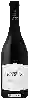
Winery Sobreiro de PegõesPremium Tinto
 Red wine



In the mouth this red wine is a powerful.
This wine generally goes well with poultry, beef or veal.

Taste structure of the Premium Tinto from the Winery Sobreiro de Pegões
Light | Bold | |
Smooth | Tannic | |
Dry | Sweet | |
Soft | Acidic |
In the mouth the Premium Tinto of Winery Sobreiro de Pegões in the region of Península de Setúbal is a powerful.
Wine flavors and olphactive analysis




On the nose the Premium Tinto of Winery Sobreiro de Pegões in the region of Península de Setúbal often reveals types of flavors of cherry, oaky or smoke and sometimes also flavors of blackberry, red fruit or tobacco.
Food and wine pairings with Premium Tinto
Pairings that work perfectly with Premium Tinto



Original food and wine pairings with Premium Tinto

The Premium Tinto of Winery Sobreiro de Pegões matches generally quite well with dishes of beef, pasta or veal such as recipes of cornish pasties, spaghetti with clams or simple veal sauté.
Details and technical informations about Winery Sobreiro de Pegões's Premium Tinto.
Discover the grape variety: Cabernet-Sauvignon
Structured, tannic reds, deeply coloured, with aromas of blackcurrant, blackberry, cedar, tobacco and graphite, underpinned by firm acidity and fine ageing potential. Cornerstone of the great Médoc estates (Pauillac, Saint-Estèphe, Saint-Julien) and signature of Napa Valley, Coonawarra and Maipo. The world's most planted red variety, a natural cross of Cabernet Franc x Sauvignon Blanc born in Bordeaux.
Last vintages of this wine
The best vintages of Premium Tinto from Winery Sobreiro de Pegões are 2019, 2018, 2017, 2016 and 2015.
Informations about the Winery Sobreiro de Pegões
The Winery Sobreiro de Pegões is one of of the world's greatest estates. It offers 5 wines for sale in the of Península de Setúbal to come and discover on site or to buy online.

The wine region of Península de Setúbal
Portuguese peninsula south of Lisbon between the Tagus and Sado estuaries. World-renowned speciality: Moscatel de Setúbal, a golden fortified sweet wine with signature notes of candied orange, dried apricot, honey, fig, currant and sweet spices, long ageing — the rare Roxo version has more floral notes. Also fruity, supple Castelão reds (64%) (blackberry, plum), perfumed Touriga Nacional. Oceanic climate.
The word of the wine: Mercaptan
Organic compound resulting from the combination of alcohol and sulphide (H2S) producing an unpleasant odour reminiscent of town gas and rotten eggs.