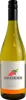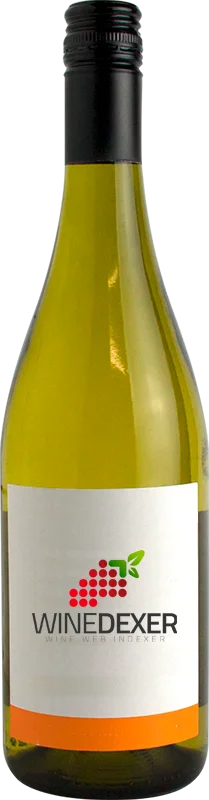
Winery Sobreiro de PegõesPremium Blanco
 White wine



This wine is a blend of 2 varietals which are the Fernao Pires and the Verdelho.
In the mouth this white wine is a powerful.
This wine generally goes well with pork, lean fish or shellfish.
Taste structure of the Premium Blanco from the Winery Sobreiro de Pegões
Light | Bold | |
Dry | Sweet | |
Soft | Acidic |
In the mouth the Premium Blanco of Winery Sobreiro de Pegões in the region of Península de Setúbal is a powerful.
Wine flavors and olphactive analysis


On the nose the Premium Blanco of Winery Sobreiro de Pegões in the region of Península de Setúbal often reveals types of flavors of earth, oak or tree fruit and sometimes also flavors of citrus fruit, tropical fruit.
Food and wine pairings with Premium Blanco
Pairings that work perfectly with Premium Blanco



Original food and wine pairings with Premium Blanco

The Premium Blanco of Winery Sobreiro de Pegões matches generally quite well with dishes of pasta, pork or shellfish such as recipes of lasagna bolognese, pork chops with curry and honey or mussels with chicken.
Details and technical informations about Winery Sobreiro de Pegões's Premium Blanco.
Discover the grape variety: Fernao Pires
In Portugal, it is one of the most planted white grape varieties, and we have found it to be very similar to the torrontés grown in Spain (Galicia). It can be found in Australia and South Africa, but is almost unknown in France.
Last vintages of this wine
The best vintages of Premium Blanco from Winery Sobreiro de Pegões are 2014, 2018, 2017, 2019 and 0.
Informations about the Winery Sobreiro de Pegões
The Winery Sobreiro de Pegões is one of of the world's greatest estates. It offers 5 wines for sale in the of Península de Setúbal to come and discover on site or to buy online.

The wine region of Península de Setúbal
Setúbal Peninsula (also known as Península de Setúbal) is the Portuguese wine region immediately southeast of Lisbon, across the Tejo estuary. The Terroir in the area ranges from sandy coastal plains to the craggy, limestone-rich Serra Arribida hills. The area is known for its Dry red wines made from Castelão, and for its fortified wines and Sweet Moscatel de Setúbal. The wines produced here are made under three titles: two DOCs, Palmela and Setúbal, and one IGP.
The word of the wine: Tartar (deposit)
White, chalky deposits that occur as a result of precipitation inside bottles and are often considered by consumers as a defect. They are in fact tartaric salts formed by tartaric acid, potassium and calcium naturally present in the wine. This deposit does not alter the quality of the wine and can be eliminated by a simple decanting.