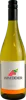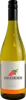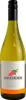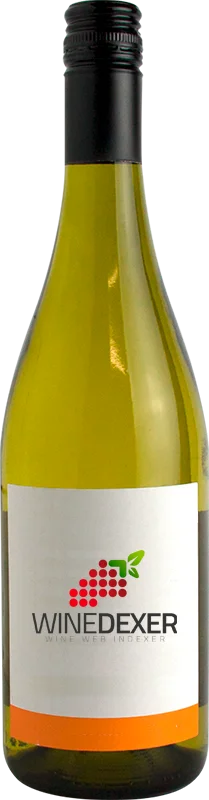
Winery SivipaTerras do Sado Sauvignon Blanc
 White wine
In the mouth this white wine is a powerful.
This wine generally goes well with pork, lean fish or shellfish.

Taste structure of the Terras do Sado Sauvignon Blanc from the Winery Sivipa
Light | Bold | |
Dry | Sweet | |
Soft | Acidic |
In the mouth the Terras do Sado Sauvignon Blanc of Winery Sivipa in the region of Península de Setúbal is a powerful.
Food and wine pairings with Terras do Sado Sauvignon Blanc
Pairings that work perfectly with Terras do Sado Sauvignon Blanc



Original food and wine pairings with Terras do Sado Sauvignon Blanc

The Terras do Sado Sauvignon Blanc of Winery Sivipa matches generally quite well with dishes of pasta, pork or shellfish such as recipes of vegetarian lasagna, sauté of pork with cider or scupion (small cuttlefish) in hot sauce.
Details and technical informations about Winery Sivipa's Terras do Sado Sauvignon Blanc.
Discover the grape variety: Picolit blanc
Exceptional sweet white wines with a golden to amber robe, a luscious and unctuous palate, and intense signature aromas of dried fruits (dried apricot, fig), honey, white flowers (acacia) and yellow candied fruits with mineral notes. A rare and precious profile, very demanding (significant coulure). The absolute star of the Colli Orientali del Friuli Picolit DOCG appellation, one of Italy's greatest dessert wines. Native white grape of Friuli, in Friuli-Venezia Giulia.
Informations about the Winery Sivipa
The Winery Sivipa is one of of the world's great estates. It offers 39 wines for sale in the of Península de Setúbal to come and discover on site or to buy online.

The wine region of Península de Setúbal
Portuguese peninsula south of Lisbon between the Tagus and Sado estuaries. World-renowned speciality: Moscatel de Setúbal, a golden fortified sweet wine with signature notes of candied orange, dried apricot, honey, fig, currant and sweet spices, long ageing — the rare Roxo version has more floral notes. Also fruity, supple Castelão reds (64%) (blackberry, plum), perfumed Touriga Nacional. Oceanic climate.
The word of the wine: Lightning
Large capacity barrel.