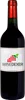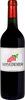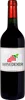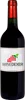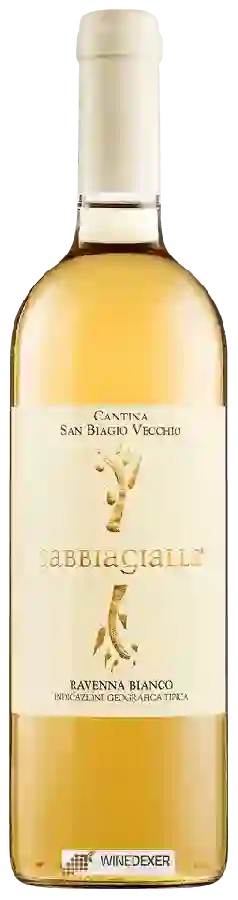
Winery San Biagio VecchioSabbiagialla Ravenna Bianco
 White wine


In the mouth this white wine is a powerful with a nice freshness.
This wine generally goes well with lean fish, shellfish or mature and hard cheese.
Taste structure of the Sabbiagialla Ravenna Bianco from the Winery San Biagio Vecchio
Light | Bold | |
Dry | Sweet | |
Soft | Acidic |
In the mouth the Sabbiagialla Ravenna Bianco of Winery San Biagio Vecchio in the region of Emilia-Romagna is a powerful with a nice freshness.
Wine flavors and olphactive analysis






On the nose the Sabbiagialla Ravenna Bianco of Winery San Biagio Vecchio in the region of Emilia-Romagna often reveals types of flavors of earth, microbio or oak and sometimes also flavors of spices, citrus fruit or floral.
Food and wine pairings with Sabbiagialla Ravenna Bianco
Pairings that work perfectly with Sabbiagialla Ravenna Bianco



Original food and wine pairings with Sabbiagialla Ravenna Bianco


The Sabbiagialla Ravenna Bianco of Winery San Biagio Vecchio matches generally quite well with dishes of pasta, shellfish or mature and hard cheese such as recipes of saffron pasta with prawns, seafood, chorizo and chicken paella from patou or chicken breast franc comtoise.
Details and technical informations about Winery San Biagio Vecchio's Sabbiagialla Ravenna Bianco.
Discover the grape variety: Douce noire
The douce noire, as its name indicates, is a black grape variety. It originated in the region between the valleys of the Isère and Saône rivers. Often in autumn, its foliage takes on a red hue. The bunches of the black sweet are larger than average. They are compact and winged. Spherical, its berries are of normal size. The flesh is juicy, soft and sweet. Although it is on the verge of extinction, this variety is still present in some Jura vineyards. Some call it corbeau, especially in Savoie, but it has other names such as gros noir, plant de Calarin and pecot. The sweet black is associated with an average budding and a late first ripening. Hardy and vigorous, it adapts to poorly irrigated soils. This variety produces a wine with low alcohol content, flat, soft and without much finesse. It should be consumed within the year. Sweet black is generally grown with Persian. It must be associated with other grape varieties to be better. Nowadays, this variety is not multiplied at all.
Last vintages of this wine

The best vintages of Sabbiagialla Ravenna Bianco from Winery San Biagio Vecchio are 2014, 2017, 0, 2018 and 2016.
Informations about the Winery San Biagio Vecchio
The Winery San Biagio Vecchio is one of of the world's greatest estates. It offers 15 wines for sale in the of Ravenna to come and discover on site or to buy online.

The wine region of Ravenna
The wine region of Ravenna is located in the region of Émilie-Romagne of Italy. Wineries and vineyards like the Domaine Fattoria Zerbina or the Domaine Villa Liverzano produce mainly wines red, white and sparkling. The most planted grape varieties in the region of Ravenna are Sangiovese, Merlot and Chardonnay, they are then used in wines in blends or as a single variety. On the nose of Ravenna often reveals types of flavors of oak, earth or floral and sometimes also flavors of citrus fruit, tree fruit or vegetal.
The wine region of Emilia-Romagna
Romagna/emilia">Emilia-Romagna is a Rich and fertile region in Northern Italy, and one of the country's most prolific wine-producing regions, with over 58,000 hectares (143,320 acres) of vines in 2010. It is 240 kilometers (150 miles) wide and stretches across almost the entire northern Italian peninsula, sandwiched between Tuscany to the South, Lombardy and Veneto to the north and the Adriatic Sea to the east. Nine miles of Liguria is all that separates Emilia-Romagna from the Ligurian Sea, and its uniqueness as the only Italian region with both an east and west coast. Emilia-Romagna's wine-growing heritage dates back to the seventh century BC, making it one of the oldest wine-growing regions in Italy.
The word of the wine: Botrytis cinerea
This fungus, also called noble rot, develops during the over-ripening phase and is an ally of great sweet white wines, when it concentrates the juice of the berries. It requires the humidity of morning fogs and beautiful sunny days, gives musts very rich in sugar and brings to the wines the famous taste of "roasted".