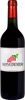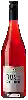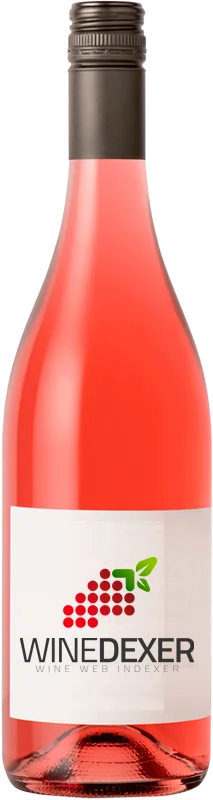
Winery RuppertsbergerR Pinot Noir Organic Rosé
 Pink wine



This wine generally goes well with pork, poultry or veal.

Food and wine pairings with R Pinot Noir Organic Rosé
Pairings that work perfectly with R Pinot Noir Organic Rosé



Original food and wine pairings with R Pinot Noir Organic Rosé


The R Pinot Noir Organic Rosé of Winery Ruppertsberger matches generally quite well with dishes of veal, pork or game (deer, venison) such as recipes of pork tenderloin with mushroom sauce, alsatian sauerkraut or duck breast with black figs.
Details and technical informations about Winery Ruppertsberger's R Pinot Noir Organic Rosé.
Discover the grape variety: Pinot noir
Elegant reds, light in colour with silky tannins, showing strawberry, cherry and raspberry aromas, evolving to forest floor, mushroom and spice with age. Fresh acidity, delicate finish. Star of the Côte d'Or (Romanée-Conti, Chambertin, Volnay), pillar of Champagne (Blanc de Noirs) and signature of Oregon, Central Otago and Sonoma Coast. An early-ripening Burgundian variety, one of the world's greatest.
Last vintages of this wine
The best vintages of R Pinot Noir Organic Rosé from Winery Ruppertsberger are 2020, 0
Informations about the Winery Ruppertsberger
The Winery Ruppertsberger is one of of the world's great estates. It offers 88 wines for sale in the of Pfalz to come and discover on site or to buy online.

The wine region of Pfalz
Fleshy, dry, fruity Riesling is the region's signature: yellow peach, apricot, ripe citrus, lovely mineral tension. Germany's largest red-wine area (40%), with silky Spätburgunder showing red fruit and spice, darker structured Dornfelder, supple Portugieser. Some rounded Pinot Blanc and Pinot Gris. A 23,640 ha vineyard along the Haardt, among Germany's warmest (>2,000 h of sun).
The word of the wine: Phylloxera
Aphid that came from America and ravaged European vineyards at the end of the 19th century. It lives on the roots of the vine, from which it pumps the sap. The only vines capable of resisting it had to be imported from the United States, and then grafted onto their root system the wood of traditional French grape varieties. Today, grafted vines are always planted.