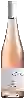
Weingut BrandWildrosé Pur
 Pink wine


This wine generally goes well with vegetarian
The Wildrosé Pur of the Weingut Brand is in the top 70 of wines of Pfalz.

Wine flavors and olphactive analysis





On the nose the Wildrosé Pur of Weingut Brand in the region of Pfalz often reveals types of flavors of cherry, earthy or strawberries and sometimes also flavors of raspberry, cranberry or pepper.
Food and wine pairings with Wildrosé Pur
Pairings that work perfectly with Wildrosé Pur

Original food and wine pairings with Wildrosé Pur
The Wildrosé Pur of Weingut Brand matches generally quite well with dishes of vegetarian such as recipes of quiche with leeks and fresh salmon from flo.
Details and technical informations about Weingut Brand's Wildrosé Pur.
Discover the grape variety: Terret Blanc
Lively, structured dry whites with a pale golden robe, a taut palate and preserved acidity, showing signature aromas of citrus (lemon, grapefruit), white flowers (hawthorn), green apple, Mediterranean herbs and saline notes. A refreshing, sun-drenched profile. A traditional component of Picpoul de Pinet AOC blends and Languedoc whites. The white-skinned mutation of Terret, an indigenous French variety from the Mediterranean Languedoc.
Last vintages of this wine
The best vintages of Wildrosé Pur from Weingut Brand are 2018, 2017, 2016
Informations about the Weingut Brand
The Weingut Brand is one of of the world's greatest estates. It offers 33 wines for sale in the of Pfalz to come and discover on site or to buy online.

The wine region of Pfalz
Fleshy, dry, fruity Riesling is the region's signature: yellow peach, apricot, ripe citrus, lovely mineral tension. Germany's largest red-wine area (40%), with silky Spätburgunder showing red fruit and spice, darker structured Dornfelder, supple Portugieser. Some rounded Pinot Blanc and Pinot Gris. A 23,640 ha vineyard along the Haardt, among Germany's warmest (>2,000 h of sun).
The word of the wine: Breeding
It can last for several years. The bottles are stacked in the cellars and waited for the light and heat. The yeasts gradually give the wine compounds that enrich it. A long maturation is a guarantee of quality.