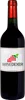
Winery Rocca BrettiaTerre di Cosenza Aglianico
 Red wine


In the mouth this red wine is a powerful with a lot of tannins present in the mouth.
This wine generally goes well with beef, lamb or pasta.
Taste structure of the Terre di Cosenza Aglianico from the Winery Rocca Brettia
Light | Bold | |
Smooth | Tannic | |
Dry | Sweet | |
Soft | Acidic |
In the mouth the Terre di Cosenza Aglianico of Winery Rocca Brettia in the region of Calabria is a powerful with a lot of tannins present in the mouth.
Food and wine pairings with Terre di Cosenza Aglianico
Pairings that work perfectly with Terre di Cosenza Aglianico



Original food and wine pairings with Terre di Cosenza Aglianico
The Terre di Cosenza Aglianico of Winery Rocca Brettia matches generally quite well with dishes of beef, pasta or lamb such as recipes of monkfish tail with white butter, italian pasta salad or shish kebab.
Details and technical informations about Winery Rocca Brettia's Terre di Cosenza Aglianico.
Discover the grape variety: Aglianico
A very old grape variety grown in Italy, some believe it to be of Greek origin. In France, it is practically unknown. It can be found in Australia, the United States (California), Argentina, etc. It should not be confused with Aglianicone, another grape variety grown in Italy, which is, however, very similar to Aglianico.
Last vintages of this wine
The best vintages of Terre di Cosenza Aglianico from Winery Rocca Brettia are 0, 2015
Informations about the Winery Rocca Brettia
The Winery Rocca Brettia is one of of the world's greatest estates. It offers 6 wines for sale in the of Calabria to come and discover on site or to buy online.

The wine region of Calabria
Calabria is a wine region in southern Italy, in fact a large peninsula that juts out between the Ionian Sea and the Tyrrhenian Sea. It is separated from Sicily by the narrow Strait of Messina. Its northern border with Basilicata is marked by the peaks of the southern Apennines. Calabria and its wines have undergone many influences over the centuries.
The word of the wine: Oenology
The science of the oenologist, which is essentially concerned with the elaboration and maturation of wines.