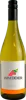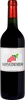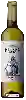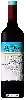
Winery Quinta do CardoTinta Roriz
 Red wine


In the mouth this red wine is a powerful with a lot of tannins present in the mouth.
This wine generally goes well with poultry, beef or game (deer, venison).
The Tinta Roriz of the Winery Quinta do Cardo is in the top 10 of wines of Beira Interior.
Taste structure of the Tinta Roriz from the Winery Quinta do Cardo
Light | Bold | |
Smooth | Tannic | |
Dry | Sweet | |
Soft | Acidic |
In the mouth the Tinta Roriz of Winery Quinta do Cardo in the region of Beiras is a powerful with a lot of tannins present in the mouth.
Wine flavors and olphactive analysis



On the nose the Tinta Roriz of Winery Quinta do Cardo in the region of Beiras often reveals types of flavors of non oak, earth or oak and sometimes also flavors of spices, black fruit.
Food and wine pairings with Tinta Roriz
Pairings that work perfectly with Tinta Roriz



Original food and wine pairings with Tinta Roriz

The Tinta Roriz of Winery Quinta do Cardo matches generally quite well with dishes of beef, lamb or game (deer, venison) such as recipes of authentic bolognese sauce (ragù di carne), traditional tunisian couscous or duck breast in a crust.
Details and technical informations about Winery Quinta do Cardo's Tinta Roriz.
Discover the grape variety: Petit Meslier
Petit Meslier blanc is a grape variety that originated in France (Champagne). It produces a variety of grape specially used for wine making. It is rare to find this grape to eat on our tables. This variety of grape is characterized by small to medium sized bunches, and medium sized grapes. Petit Meslier blanc can be found in many vineyards: South West, Cognac, Bordeaux, Champagne, Jura, Provence & Corsica, Rhone Valley, Loire Valley, Savoie & Bugey, Beaujolais.
Last vintages of this wine

The best vintages of Tinta Roriz from Winery Quinta do Cardo are 2014, 2015, 2016, 0 and 2017.
Informations about the Winery Quinta do Cardo
The Winery Quinta do Cardo is one of of the world's greatest estates. It offers 24 wines for sale in the of Beira Interior to come and discover on site or to buy online.

The wine region of Beira Interior
The wine region of Beira Interior is located in the region of Beiras of Portugal. Wineries and vineyards like the Domaine Beyra or the Domaine Beyra produce mainly wines red, white and pink. The most planted grape varieties in the region of Beira Interior are Touriga nacional, Touriga franca and Fernao Pires, they are then used in wines in blends or as a single variety. On the nose of Beira Interior often reveals types of flavors of cherry, stone or pineapple and sometimes also flavors of grapefruit, citrus or apples.
The wine region of Beiras
Beiras (Beira) is a traditional administrative region in the northern half of Portugal. It is also the name of the IGP, or Indicacoes Geograficas Protegidas, wine classification (formerly known as Vinho Regional) which covers the region as a whole. A wide range of wines are made in Beiras – red wines from the region are typically Rich, deeply colored wines made from Baga, Castelão, Rufete (Tinto Pinheira), Merlot, Cabernet Sauvignon, Syrah and Touriga Nacional, and are sometimes fortified to emulate their more famous Oporto cousins. Whites are most often based on Fernão Pires and Bical, the latter being a small-berried variety with the affectionate nickname Borrado das Moscaos ('fly droppings').
The word of the wine: Body
Character of a wine combining a good constitution (structure and flesh) with warmth.