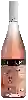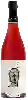
Winery Puente de PiedraGarnacha
 Pink wine
This wine generally goes well with pork, beef or lamb.
Food and wine pairings with Garnacha
Pairings that work perfectly with Garnacha



Original food and wine pairings with Garnacha

The Garnacha of Winery Puente de Piedra matches generally quite well with dishes of beef, lamb or pork such as recipes of beef miroton, sauté of lamb with curry or cassoulet of yesteryear.
Details and technical informations about Winery Puente de Piedra's Garnacha.
Discover the grape variety: Courbu
Courbu is indigenous to the Pyrenean vineyards. This white grape variety is part of the Jurançon family. Three clones are recognized in this variety, which buds in the medium term, develops regularly and has satisfactory productivity. The way in which the shoots form is characteristic. Initially upright, they bend and curve, giving a parasol-like finish to the vine. A vigorous rootstock is recommended to see the Courbu develop and mature at a late age. The small clusters display quite distinctive features. Not necessarily winged, they are pignate and stocky, with a rounded or rather flattened shape. A light pink veil covers the most mature berries, but the original colour varies from yellow-green to golden white. Vinification enhances the juice of this variety. The bouquet becomes more refined with age under a pale yellow colour. Dry or sweet, this wine is always remarkably fine.
Informations about the Winery Puente de Piedra
The Winery Puente de Piedra is one of of the world's greatest estates. It offers 7 wines for sale in the of Cariñena to come and discover on site or to buy online.

The wine region of Cariñena
The wine region of Cariñena is located in the region of Aragon of Spain. Wineries and vineyards like the Domaine Pago Aylés or the Domaine Viñedos y Bodegas Pablo produce mainly wines red, white and pink. The most planted grape varieties in the region of Cariñena are Tempranillo, Cabernet-Sauvignon and Merlot, they are then used in wines in blends or as a single variety. On the nose of Cariñena often reveals types of flavors of cherry, cinnamon or white pepper and sometimes also flavors of cheese, tobacco or chard.
The wine region of Aragon
Aragon is one of Spain's 17 autonomous communities. Located in the North of the country, it stretches from the imposing Pyrenees mountains in the South to the vast Central Iberian plateau. To the east of Aragon Lies Catalonia, while La Rioja, Castilla y Leon and Navarra are its neighbours to the west. Aragon encompasses the eastward flowing Ebro River and its vast valley, the river being one of the largest and most important in Spain.
The word of the wine: Hybrid
Term designating grape varieties obtained from two different vine species.