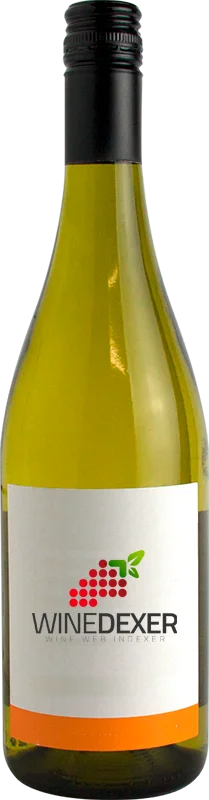
Winery Pemberton CellarsTexas Viognier
 White wine
This wine generally goes well with pork, poultry or game (deer, venison).

Wine flavors and olphactive analysis

Food and wine pairings with Texas Viognier
Pairings that work perfectly with Texas Viognier



Original food and wine pairings with Texas Viognier



The Texas Viognier of Winery Pemberton Cellars matches generally quite well with dishes of pork, game (deer, venison) or shellfish such as recipes of pigeon with bacon and mushrooms, roast duck breast or duck fillet with dried apricots or wok of pointed cabbage with shrimps and lemongrass bo bun style.
Details and technical informations about Winery Pemberton Cellars's Texas Viognier.
Discover the grape variety: Viognier
Opulent, heady whites, rich and silky, with intense aromas of apricot, yellow peach, mango, violet, honeysuckle and musky, honeyed notes. Discreet acidity, creamy finish. Star of Condrieu AOC and Château-Grillet AOC, co-vinified in Côte-Rôtie with Syrah (up to 20%). Widely exported to California (Central Coast), Australia (Eden Valley) and Languedoc. A Rhône variety.
Informations about the Winery Pemberton Cellars
The Winery Pemberton Cellars is one of of the world's greatest estates. It offers 8 wines for sale in the of Texas to come and discover on site or to buy online.

The wine region of Texas
5th US producer with a Mediterranean style suited to the heat. Signature Tempranillo as red: fleshy and fruity with notes of ripe cherry, plum and sweet spices, round tannins. Also dense Tannat, spicy Mourvèdre, juicy Sangiovese, peppery Syrah. Suited aromatic whites: full Viognier (apricot, flowers), saline Vermentino, lively Albariño.
The word of the wine: Color
The colour of wines is characterized by its intensity and its nuances of hue. The intensity is specific to each grape variety, while the nuances of colour are linked to the evolution of the wine over time.