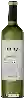
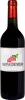
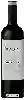
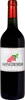
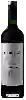
The Winery Pedregal of Canelones
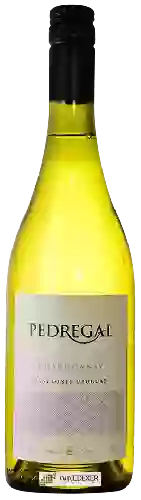
The Winery Pedregal is one of the world's great estates. It offers 14 wines for sale in of Canelones to come and discover on site or to buy online.
Looking for the best Winery Pedregal wines in Canelones among all the wines in the region? Check out our tops of the best red, white or effervescent Winery Pedregal wines. Also find some food and wine pairings that may be suitable with the wines from this area. Learn more about the region and the Winery Pedregal wines with technical and enological descriptions.
How Winery Pedregal wines pair with each other generally quite well with dishes of pork, rich fish (salmon, tuna etc) or vegetarian such as recipes of sloth pork loin, grilled mackerel with garlic and herbs or leek, goat cheese and bacon quiche.
The Canelones administrative department, Northeast of the Uruguayan capital of Montevideo, is home to the majority of Uruguay's Vineyards and accounts for aRound 60 percent of all wine produced in the country. It Lies in the South of the small South American country, where the majority of vines are planted, inland from the Atlantic coast and the Rio de la Plata estuary.
The region itself covers a broad arc approximately 50km (30 miles) Deep, drawn clockwise from the northwestern outskirts of Montevideo round to the coastline east of the capital city. The eponymous administrative capital of the region lies 50km (31 miles) to the north of Montevideo.
The wine towns of Juanico and Progreso are to be found on this route north out of the capital, separated from one another by just 10km (6 miles). Canelones town lies a further 10km north of Juanico.
The densely planted viticultural area that surrounds these towns is arguably the epicenter of the Uruguayan wine industry. More Tannat vines are planted here than in any other place on earth, including Madiran, Tannat's spiritual home.
Wines from Canelones are made from more than just Tannat, however. A number of different international varieties are used, including light-skinned varieties Pinot Blanc, Chenin Blanc, Sauvignon Blanc and Chardonnay.
Among the red wine grapes popular here, Syrah, Cabernet Franc and Merlot figure strongly. The Carrau family, one of Uruguay's wine pioneers, has had vineyards in this region since 1930, planted with Merlot, Cabernet Franc and Chardonnay, as well as the northern Italian classics Nebbiolo and Marzemino.
How Winery Pedregal wines pair with each other generally quite well with dishes of beef, lamb or poultry such as recipes of monkfish tail with white butter, semolina-merguez salad or ham and cheese cake.
On the nose the red wine of Winery Pedregal. often reveals types of flavors of non oak, oak or spices and sometimes also flavors of red fruit, earth or black fruit. In the mouth the red wine of Winery Pedregal. is a powerful with a nice balance between acidity and tannins.
The white Chardonnay is a grape variety that originated in France (Burgundy). It produces a variety of grape specially used for wine making. It is rare to find this grape to eat on our tables. This variety of grape is characterized by small bunches, and small grapes. White Chardonnay can be found in many vineyards: South West, Burgundy, Jura, Languedoc & Roussillon, Cognac, Bordeaux, Beaujolais, Savoie & Bugey, Loire Valley, Champagne, Rhone Valley, Armagnac, Lorraine, Alsace, Provence & Corsica.
How Winery Pedregal wines pair with each other generally quite well with dishes of beef, lamb or spicy food such as recipes of pork tongue with bacon and onions, lamb confit with new potatoes or braised chicken and plantains.
A wine whose nose is first characterized by aromas reminiscent of the world of fruit. A wine to be drunk young is essentially fruity, but all wines offer this type of aroma in the first place, which can evolve over time, from the scent of fresh fruit to cooked, stewed, candied or brandied fruit.
Planning a wine route in the of Canelones? Here are the wineries to visit and the winemakers to meet during your trip in search of wines similar to Winery Pedregal.
Originally from Italy, it is the famous Sangiovese of Tuscany producing the famous wines of Brunello de Montalcino and Chianti. This variety is registered in the Official Catalogue of Wine Grape Varieties, list A1. According to recent genetic analysis, it is the result of a natural cross between the almost unknown Calabrese di Montenuovo (mother) and Ciliegiolo (father).