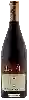
Winery Oskar DesoiSpätburgunder Classic
 Red wine
In the mouth this red wine is a with a nice freshness.
This wine generally goes well with poultry, beef or veal.

Taste structure of the Spätburgunder Classic from the Winery Oskar Desoi
Light | Bold | |
Smooth | Tannic | |
Dry | Sweet | |
Soft | Acidic |
In the mouth the Spätburgunder Classic of Winery Oskar Desoi in the region of Nahe is a with a nice freshness.
Food and wine pairings with Spätburgunder Classic
Pairings that work perfectly with Spätburgunder Classic



Original food and wine pairings with Spätburgunder Classic

The Spätburgunder Classic of Winery Oskar Desoi matches generally quite well with dishes of beef, veal or game (deer, venison) such as recipes of melt-in-the-mouth pork tenderloin casserole, veal cutlets parmigiana or duck leg confit in cider.
Details and technical informations about Winery Oskar Desoi's Spätburgunder Classic.
Discover the grape variety: Passerina
Lively, aromatic dry whites with a pale golden robe, an elegant palate and preserved acidity, with signature aromas of citrus (lemon, grapefruit), white flowers (acacia), white-fleshed fruits (apple, pear) and Adriatic saline notes. Also vinified as sparkling and passito. Star of Offida Passerina DOCG in the Marches, the identity of modern Adriatic whites. Italian autochthonous variety from the Marches, Abruzzo and Lazio.
Informations about the Winery Oskar Desoi
The Winery Oskar Desoi is one of of the world's greatest estates. It offers 34 wines for sale in the of Nahe to come and discover on site or to buy online.

The wine region of Nahe
Homeland of a mineral Riesling of exceptional geological expression: lively, precise whites with notes of peach, citrus, green apple, gunflint and fine salinity, from taut dry to botrytised sweet. 75% whites, Riesling king (27%) complemented by round Pinot Gris and supple Pinot Blanc. Rising reds: silky Spätburgunder with red fruit, darker Dornfelder. 4,240 ha along the Nahe river, among the most diverse soils in Germany (180 formations).
The word of the wine: Sulphites
Chemical compounds derived from sulphur (better known in the wine world as SO2) and used by winemakers for their antiseptic, antioxidant and antioxidant properties.