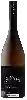
Winery Nunes BarataÚnico
 White wine


In the mouth this white wine is a powerful with a nice freshness.
This wine generally goes well with pork, lean fish or shellfish.
Taste structure of the Único from the Winery Nunes Barata
Light | Bold | |
Dry | Sweet | |
Soft | Acidic |
In the mouth the Único of Winery Nunes Barata in the region of Alentejano is a powerful with a nice freshness.
Food and wine pairings with Único
Pairings that work perfectly with Único



Original food and wine pairings with Único

The Único of Winery Nunes Barata matches generally quite well with dishes of pasta, pork or shellfish such as recipes of salmon and spinach lasagna, ideas for savoury pancake toppings or lamb curry indian style.
Details and technical informations about Winery Nunes Barata's Único.
Discover the grape variety: Negro Aramo
Its country of origin is Greece - it is related to the Greek xynomavro grape variety - and it has been cultivated for a long time in southern Italy, particularly in the southern region of Puglia, although it is known throughout the country. It should not be confused with aglianico, with which it has some synonyms. It should be noted that there is an early Negro Aramo clone. We can also meet the Negro Aramo in England, Australia, New Zealand, the United States (California, ...), ... in France it is almost unknown.
Last vintages of this wine
The best vintages of Único from Winery Nunes Barata are 0
Informations about the Winery Nunes Barata
The Winery Nunes Barata is one of of the world's greatest estates. It offers 16 wines for sale in the of Alentejano to come and discover on site or to buy online.

The wine region of Alentejano
Tejo">Alentejo is a well-known, highly respected wine region in eastern Portugal. This hot, Dry area covers approximately a third of the country and is best known for its red wine, the best of which are sold under the and Alentejo DOC (Denominacao de Origem Controlada) title. Wine from Alentejo is typically made from Aragonez (Tempranillo), Castelao, Trincadeira or a Rich, ripe, jammy blend of the three. Antao Vaz is the white variety of choice here, producing a good level of Acidity and tropical fruit flavors.
The word of the wine: Smoked
Qualifier of smells close to those of smoked food, characteristic, among other things, of the Sauvignon grape variety; hence the name of smoked white given to this variety.