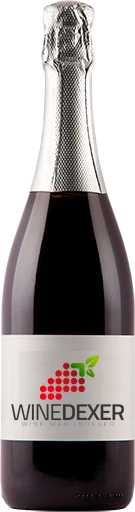
Bodegas SojosaNitus Cava Semi Seco
 Sparkling wine



This wine is a blend of 2 varietals which are the Parellada and the Xarello.
In the mouth this sparkling wine is a with a nice vivacity and a fine and pleasant bubble.
This wine generally goes well with appetizers and snacks, lean fish or shellfish.

Taste structure of the Nitus Cava Semi Seco from the Bodegas Sojosa
Light | Bold | |
Soft | Acidic | |
Gentle | Fizzy |
In the mouth the Nitus Cava Semi Seco of Bodegas Sojosa in the region of Cava is a with a nice vivacity and a fine and pleasant bubble.
Wine flavors and olphactive analysis


On the nose the Nitus Cava Semi Seco of Bodegas Sojosa in the region of Cava often reveals types of flavors of tree fruit.
Food and wine pairings with Nitus Cava Semi Seco
Pairings that work perfectly with Nitus Cava Semi Seco



Original food and wine pairings with Nitus Cava Semi Seco


The Nitus Cava Semi Seco of Bodegas Sojosa matches generally quite well with dishes of shellfish, appetizers and snacks or lean fish such as recipes of cuttlefish rust from my grandmother in sète, chorizo rillettes or sole meuniere.
Discover the grape variety: Parellada
Lively, elegant whites with finely chiselled acidity and a light palate, with aromas of lemon, green apple, white flowers, fresh herbs and discreet mineral notes. Brings freshness and aromatic finesse to Cava DO blends (with macabeo and xarel-lo), defining the taut identity of Catalan sparkling wines. Also as light still whites in Penedès DO and Conca de Barberà DO. Native Catalan variety grown at altitude.
Last vintages of this wine
The best vintages of Nitus Cava Semi Seco from Bodegas Sojosa are 0, 2008
Informations about the Bodegas Sojosa
The Bodegas Sojosa is one of of the world's greatest estates. It offers 9 wines for sale in the of Cava to come and discover on site or to buy online.

The wine region of Cava
Spain's star traditional-method sparkler, the Iberian equivalent of Champagne. Three Catalan grapes blended: Macabeo (apple, freshness), Xarel-lo (body and herbaceous notes), Parellada (elegance and floral finesse). Chardonnay and Pinot Noir also allowed. From fruit-driven Brut to Gran Reserva (30 months on lees) with brioche and toasted notes.
The word of the wine: Phylloxera
Aphid that came from America and ravaged European vineyards at the end of the 19th century. It lives on the roots of the vine, from which it pumps the sap. The only vines capable of resisting it had to be imported from the United States, and then grafted onto their root system the wood of traditional French grape varieties. Today, grafted vines are always planted.