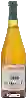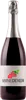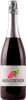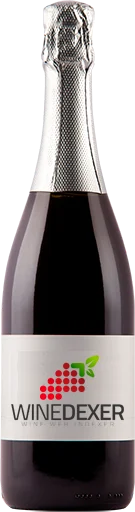
Winery Montesissa EmilioRosissima Frizzante Rosé
 Sparkling wine



This wine generally goes well with pork, poultry or mild and soft cheese.

Wine flavors and olphactive analysis





On the nose the Rosissima Frizzante Rosé of Winery Montesissa Emilio in the region of Emilia-Romagna often reveals types of flavors of cherry, cranberry or savory and sometimes also flavors of earth, vegetal or spices.
Food and wine pairings with Rosissima Frizzante Rosé
Pairings that work perfectly with Rosissima Frizzante Rosé



Original food and wine pairings with Rosissima Frizzante Rosé

The Rosissima Frizzante Rosé of Winery Montesissa Emilio matches generally quite well with dishes of pork, spicy food or poultry such as recipes of creole chipolatas, chicken leg with curry in the oven or salmon koulibiac.
Details and technical informations about Winery Montesissa Emilio's Rosissima Frizzante Rosé.
Discover the grape variety: Couderc 4401
Coloured, simple fruity reds with a light purple robe, soft tannins and an airy palate, showing undemanding aromas of red and black fruits. Productive. Marginal today, surviving in a few French varietal collections, it testifies to the history of post-phylloxera hybridisation. French black hybrid bred by Georges Couderc at the end of the 19th century, in the lineage of phylloxera-resistant crosses.
Last vintages of this wine
The best vintages of Rosissima Frizzante Rosé from Winery Montesissa Emilio are 2016, 2015
Informations about the Winery Montesissa Emilio
The Winery Montesissa Emilio is one of of the world's greatest estates. It offers 4 wines for sale in the of Emilia-Romagna to come and discover on site or to buy online.

The wine region of Emilia-Romagna
Kingdom of Lambrusco: fresh, fruity sparkling reds (blackberry, cherry, violet), from gourmet dry to convivial off-dry, perfect with local charcuterie. World's best-selling sparkling wine on the Emilia side (Sorbara, Grasparossa, Salamino). East, Romagna: supple fruity Sangiovese, Albana (Italy's 1st white DOCG, 1987) ample and almondy. Also red Gutturnio and white Pignoletto.
The word of the wine: Reassembly
During the vinification process, a "cap" is formed at the top of the vats with the solid parts (skin, pulp, pips, etc.), which contain tannins and colouring elements. Pumping over consists of emptying the vat from the bottom and pouring the juice back to the top, in order to mix the cap and the juice and to favour the exchange and the extraction. This old technique allows a better exchange between the solid parts and the liquid.