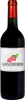
Winery Monte delle VigneArgille Barbera
 Red wine


In the mouth this red wine is a powerful with a nice freshness.
This wine generally goes well with pork, poultry or veal.

Taste structure of the Argille Barbera from the Winery Monte delle Vigne
Light | Bold | |
Smooth | Tannic | |
Dry | Sweet | |
Soft | Acidic |
In the mouth the Argille Barbera of Winery Monte delle Vigne in the region of Emilia-Romagna is a powerful with a nice freshness.
Food and wine pairings with Argille Barbera
Pairings that work perfectly with Argille Barbera



Original food and wine pairings with Argille Barbera


The Argille Barbera of Winery Monte delle Vigne matches generally quite well with dishes of pasta, veal or pork such as recipes of tuscan linguine, chicken and sausage stew with carrots or cassoulet of yesteryear.
Details and technical informations about Winery Monte delle Vigne's Argille Barbera.
Discover the grape variety: Septimer
Aromatic and fragrant whites for early drinking, pale golden colour, ample mouth with moderate acidity, with muscat signature aromas, sweet spices, rose and Gewurztraminer notes (lychee). Exotic typicity. Grown on small surfaces in Germany for distinctive aromatic dry wines. German white grape bred in 1927 in Alzey by Georg Scheu (Müller-Thurgau x Gewürztraminer).
Last vintages of this wine
The best vintages of Argille Barbera from Winery Monte delle Vigne are 2013, 2010, 0, 2011 and 2012.
Informations about the Winery Monte delle Vigne
The Winery Monte delle Vigne is one of of the world's greatest estates. It offers 26 wines for sale in the of Emilia-Romagna to come and discover on site or to buy online.

The wine region of Emilia-Romagna
Kingdom of Lambrusco: fresh, fruity sparkling reds (blackberry, cherry, violet), from gourmet dry to convivial off-dry, perfect with local charcuterie. World's best-selling sparkling wine on the Emilia side (Sorbara, Grasparossa, Salamino). East, Romagna: supple fruity Sangiovese, Albana (Italy's 1st white DOCG, 1987) ample and almondy. Also red Gutturnio and white Pignoletto.
The word of the wine: Aromatic
Character of a wine that is particularly expressive and rich in aromas. Some grape varieties, such as Gewurztraminer or Muscat, produce very aromatic wines.