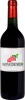
Winery Monte delle VigneRosso
 Red wine



In the mouth this red wine is a powerful.
This wine generally goes well with beef, game (deer, venison) or lamb.

Taste structure of the Rosso from the Winery Monte delle Vigne
Light | Bold | |
Smooth | Tannic | |
Dry | Sweet | |
Soft | Acidic |
In the mouth the Rosso of Winery Monte delle Vigne in the region of Emilia-Romagna is a powerful.
Food and wine pairings with Rosso
Pairings that work perfectly with Rosso



Original food and wine pairings with Rosso

The Rosso of Winery Monte delle Vigne matches generally quite well with dishes of beef, pasta or lamb such as recipes of beef bourguignon with cookéo, ham and cheese macaroni gratin or oriental stew with couscous.
Details and technical informations about Winery Monte delle Vigne's Rosso.
Discover the grape variety: Grauer Burgunder
Structured and aromatic dry, off-dry and sweet whites with a golden to amber robe depending on vinification, an ample palate with preserved acidity, showing signature aromas of yellow fruits (pear, quince), honey, gentle spices, smoke and mineral notes. Fine Germanic richness. Signs dry Grauburgunder and sweet Ruländer wines in German-speaking regions. German synonym for Pinot Gris, a French-origin grey grape grown in Germany, Austria, northern Italy and Switzerland.
Last vintages of this wine
The best vintages of Rosso from Winery Monte delle Vigne are 2013, 2016, 2014, 2017 and 2015.
Informations about the Winery Monte delle Vigne
The Winery Monte delle Vigne is one of of the world's greatest estates. It offers 26 wines for sale in the of Emilia-Romagna to come and discover on site or to buy online.

The wine region of Emilia-Romagna
Kingdom of Lambrusco: fresh, fruity sparkling reds (blackberry, cherry, violet), from gourmet dry to convivial off-dry, perfect with local charcuterie. World's best-selling sparkling wine on the Emilia side (Sorbara, Grasparossa, Salamino). East, Romagna: supple fruity Sangiovese, Albana (Italy's 1st white DOCG, 1987) ample and almondy. Also red Gutturnio and white Pignoletto.
The word of the wine: Malolactic fermentation
Called second fermentation or malo for short. It is the degradation (under the effect of bacteria) of the malic acid naturally present in the wine into milder, less aggressive lactic acid. Some producers or wineries refuse this operation by "blocking the malo" (by cold and adding SO2) to keep a maximum of acidity which carries the aromas and accentuates the sensation of freshness.