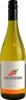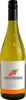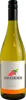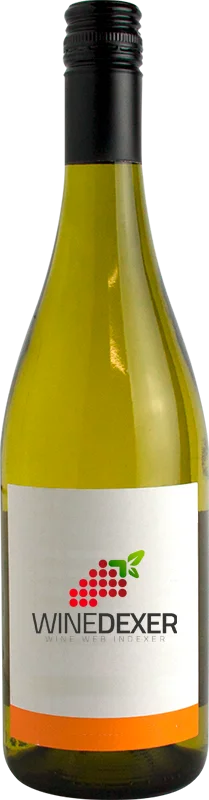
Winery Meyer - NäkelWeissburgunder S
 White wine


In the mouth this white wine is a with a nice freshness.
This wine generally goes well with rich fish (salmon, tuna etc), shellfish or mild and soft cheese.

Taste structure of the Weissburgunder S from the Winery Meyer - Näkel
Light | Bold | |
Dry | Sweet | |
Soft | Acidic |
In the mouth the Weissburgunder S of Winery Meyer - Näkel in the region of Ahr is a with a nice freshness.
Wine flavors and olphactive analysis


On the nose the Weissburgunder S of Winery Meyer - Näkel in the region of Ahr often reveals types of flavors of microbio, oak.
Food and wine pairings with Weissburgunder S
Pairings that work perfectly with Weissburgunder S



Original food and wine pairings with Weissburgunder S

The Weissburgunder S of Winery Meyer - Näkel matches generally quite well with dishes of rich fish (salmon, tuna etc), shellfish or mild and soft cheese such as recipes of tagliatelle courgette salmon from cécile and lisa, stuffed squid in the sétoise sauce or cheese crusts.
Details and technical informations about Winery Meyer - Näkel's Weissburgunder S.
Discover the grape variety: Calitor
Light, airy reds with a pale, lightly coloured ruby robe, supple tannins and a light palate with moderate acidity, featuring discreet aromas of red fruits and Provençal garrigue notes. Low alcohol. Late-ripening (35 days after Chasselas). Historically recommended in the Vaucluse and the Var, now nearly extinct and preserved in a few Provençal heritage plots. Autochthonous Provençal black variety, once widespread in south-eastern France.
Last vintages of this wine
The best vintages of Weissburgunder S from Winery Meyer - Näkel are 0
Informations about the Winery Meyer - Näkel
The Winery Meyer - Näkel is one of of the world's great estates. It offers 52 wines for sale in the of Ahr to come and discover on site or to buy online.

The wine region of Ahr
Small German valley south of Bonn, the country's largest contiguous single red-grape zone. Signature Spatburgunder (Pinot Noir) (>60%): elegant, structured reds with signature notes of cherry, raspberry, wild strawberry, undergrowth and sweet spice, silky tannins and taut freshness — Burgundian style in an improbable climate. Also early Fruhburgunder, fleshier. ~560 ha on steep slopes over schist and slate, sheltered temperate microclimate.
The word of the wine: Stave
A slat of wood that makes up the barrel.